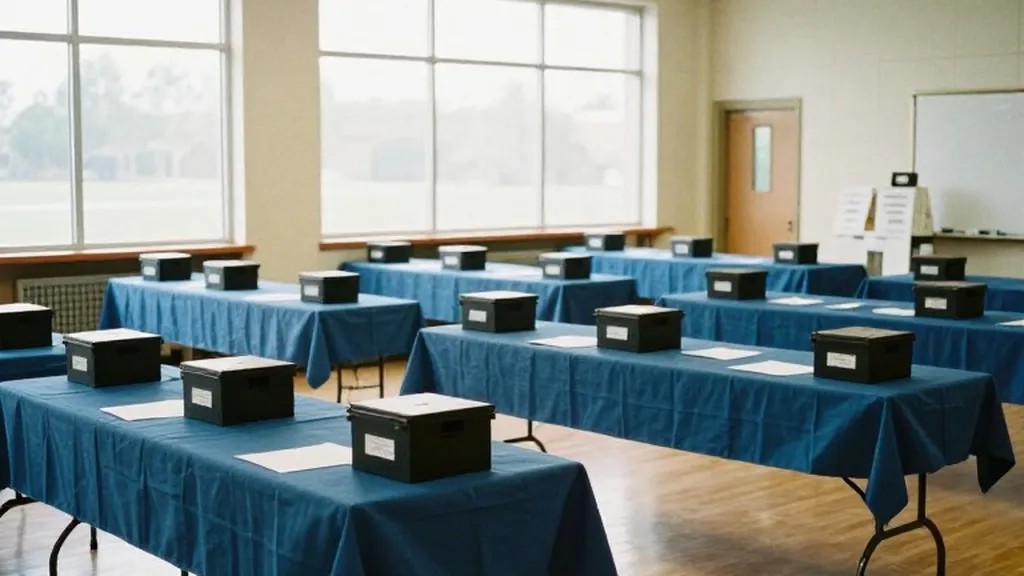
Wall Street watches Congress as AI and debt risks meet Election Day
Investors face a pivotal vote that could reshape the fiscal and trade environment, with markets closely monitoring outcomes in key Senate and House races.
By Olga Paredes ·
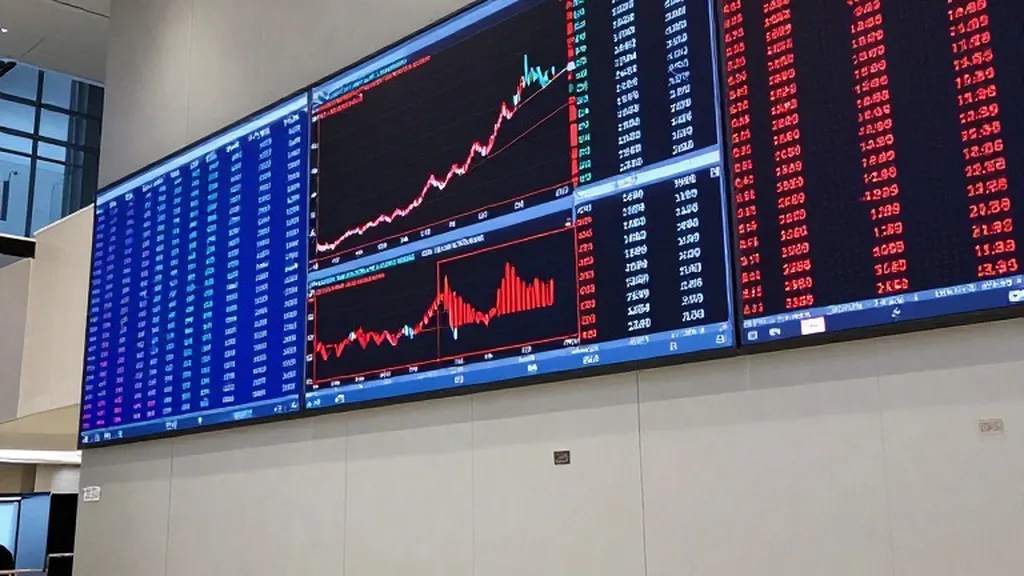
Investors on Wall Street are treating the midterm election on Tuesday, November 3, 2026, as a critical test for the stability of U.S. fiscal policy and the broader global trade environment. According to Reuters, market participants are watching for more than just control of Congress. The results could add to existing investor concerns regarding massive spending on artificial intelligence and the trajectory of debt ceiling negotiations. As polls open across the country, the financial community is braced for a day that could significantly influence the direction of economic policy in the president's final two years.
The election is widely viewed as a referendum on the second term of President Donald Trump. The Associated Press describes the mood as one where voters are struggling with high prices and are angry over an unpopular war with Iran. AP-NORC polling indicates that 35% of U.S. adults approve of the president's job performance, while only 25% approve of his handling of the economy. Approximately seven in ten adults say the country is heading in the wrong direction, with most blaming the president for high prices. These sentiments are directly influencing how traders and analysts interpret the potential outcomes of the day's votes.
In the U.S. House, all 435 seats are up for grabs. Republicans currently hold 218 seats, Democrats hold 214, and there is one independent, with some vacancies remaining. Democrats need a net gain of three districts to secure a majority, while Republicans can afford to lose no more than two. Ballotpedia counts 46 battleground districts, with 25 held by Democrats and 21 by Republicans. The composition of the House will determine the legislative agenda and the potential for investigations or impeachment proceedings, factors that Wall Street views as key determinants of regulatory and fiscal risk.
The Senate race is equally consequential for markets, as 35 seats are up for election. Republicans hold 53 seats, Democrats hold 45, and two independents caucus with Democrats. Democrats need a net gain of four seats for a majority, whereas Republicans can lose only two. Key battlegrounds include Maine, Iowa, Kansas, Alaska, Michigan, and Georgia. The outcome in these states will shape the balance of power in the upper chamber, affecting the ability to pass trade deals and manage the national debt. The Associated Press notes that one or two seats could tip either chamber, creating a narrow margin that heightens market volatility.
Trade policy and its impact on global allies are central to the debate. The AP notes that economic strain and tariffs have made certain states, like Maine, competitive in the Senate race. Investors are watching how the new congressional makeup will approach trade negotiations with key partners. A shift in control could lead to changes in tariff structures or new trade agreements, which would directly affect supply chains and corporate earnings. The interplay between domestic economic concerns and international trade relations is a primary focus for financial analysts today.
The cost of the 2026 elections is expected to be the highest in history. Republican committees have outraised and outspent Democratic committees at the committee level, aided by Trump-affiliated groups and Elon Musk. However, at the candidate level, Democrats have outraised their opponents. AP analysis of AdImpact data shows that 88.1% of Republican general election TV ad spending went to states and districts Trump won in 2024, including more than $850 million in areas where he won by 10 points or more. This spending pattern suggests a focus on protecting the base while challenging the other party in key districts.
RNC Chairman Joe Gruters stated that everything depends on turnout, asserting that if Republicans turn out their voters, they will win. In contrast, DCCC Chair Rep. Suzan DelBene said the American people are angry and want change. These statements reflect the strategic priorities of both parties as they compete for the loyalty of voters who are concerned about the cost of living and economic direction. The high level of early voting, with more than 57 million people already having cast ballots, indicates a strong turnout that could impact the final results and subsequent market reactions.
Voter sentiment is mixed, reflecting the divided nature of the electorate. Mark Barker of Palm Beach Gardens, Florida, told the AP that he has been following Trump and believes he is doing an awesome job. James Moore, a librarian in Raleigh, North Carolina, expressed frustration, stating he is paying more for taxes, healthcare, and everything else. These individual experiences mirror the broader economic anxieties that are driving voter behavior and, by extension, the financial outlook for the coming years.
Election administration issues are also in the spotlight, with a federal judge temporarily barring the Trump administration from a plan to prevent noncitizen voting. Critics argue this move risks disenfranchising eligible voters, while the administration aims to ensure integrity in the election. The U.S. Postal Service has added hours and staff to ensure mail ballots are counted on time. These logistical details are crucial for the final tally, which will determine the balance of power in Congress and the subsequent policy direction.
As polls close in various states, from Alabama to Wyoming, the focus remains on the potential for a split government. If Democrats win even one chamber, investigations and possible impeachment proceedings become likely, which could introduce further uncertainty into the markets. A strong Democratic night could boost potential 2028 candidates like Gavin Newsom, JB Pritzker, and Pete Buttigieg, while also complicating the path for Vice President JD Vance. The outcome of this election will set the stage for the final two years of the current administration and the immediate future of U.S. economic policy.