Election Day 2026: How the Iran War Shapes the Midterm Fight for Congress
Voters weigh the cost of the conflict with Iran against economic concerns as the control of Congress hangs in the balance.
By Olivia Barnes ·

The United States is voting in a midterm election that has been defined by a volatile foreign policy landscape and a domestic economy under strain. The Associated Press describes the day as a referendum on President Donald Trump's second term, noting that many voters are struggling with high prices and are angry over an unpopular war with Iran. This conflict has moved from the background of national security discussions to the foreground of the ballot box, influencing how candidates frame their platforms and how voters assess the administration's performance. The results will determine who controls Congress for the final two years of the current presidential term, a shift that carries significant implications for legislative power and oversight.
Polling data from the AP and NORC indicates that 35 percent of U.S. adults approve of President Trump's job performance, while only 25 percent approve of his handling of the economy. Approximately seven in 10 adults say the country is heading in the wrong direction, with most blaming the president for high prices. The war with Iran has added a layer of complexity to these economic anxieties, as voters consider the financial and human costs of the conflict. For many, the decision is not just about party loyalty but about the tangible impact of foreign policy on their daily lives, including tax burdens and healthcare costs.
Republican officials are bracing for the possibility of losing the House while fighting to hold the Senate, a scenario that would leave the president with divided government. RNC Chairman Joe Gruters emphasized that everything depends on turnout, stating that if the party turns out its voters, they win. In contrast, DCCC Chair Rep. Suzan DelBene noted that the American people are angry and want change. This partisan tension is evident in the campaign messaging, with Republicans often defending the war as a necessary action to protect national security, while Democrats argue that the conflict has diverted attention from domestic economic issues. Both sides are urging their base to prioritize voting in the 46 battleground districts and 13 competitive Senate races.
The war with Iran has also influenced the strategic decisions of key candidates in swing states. In Maine, a state that has become a toss-up in the Senate race, the AP notes that economic strain and tariffs have made the state competitive. Senator Susan Collins, a Republican, is facing a challenge from Democratic former state Senate President Troy Jackson. The conflict has prompted voters to question the administration's foreign policy decisions, with some arguing that the war has contributed to inflation and market uncertainty. In Georgia, Senator Jon Ossoff is defending his seat against Republican Rep. Mike Collins, with both candidates addressing the impact of the war on regional industries and trade. The AP reports that the war is a central theme in debates and advertisements across these critical states.
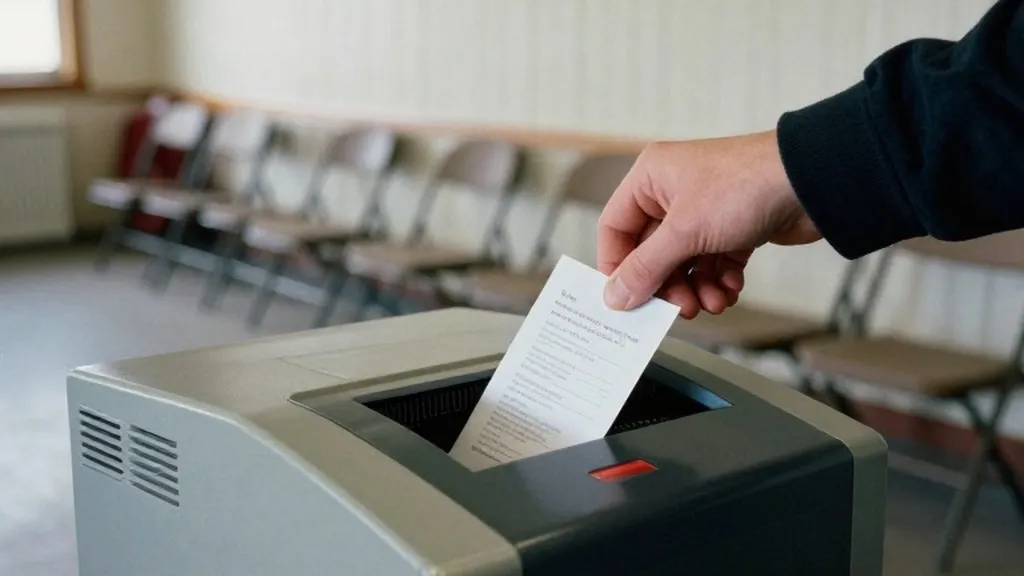
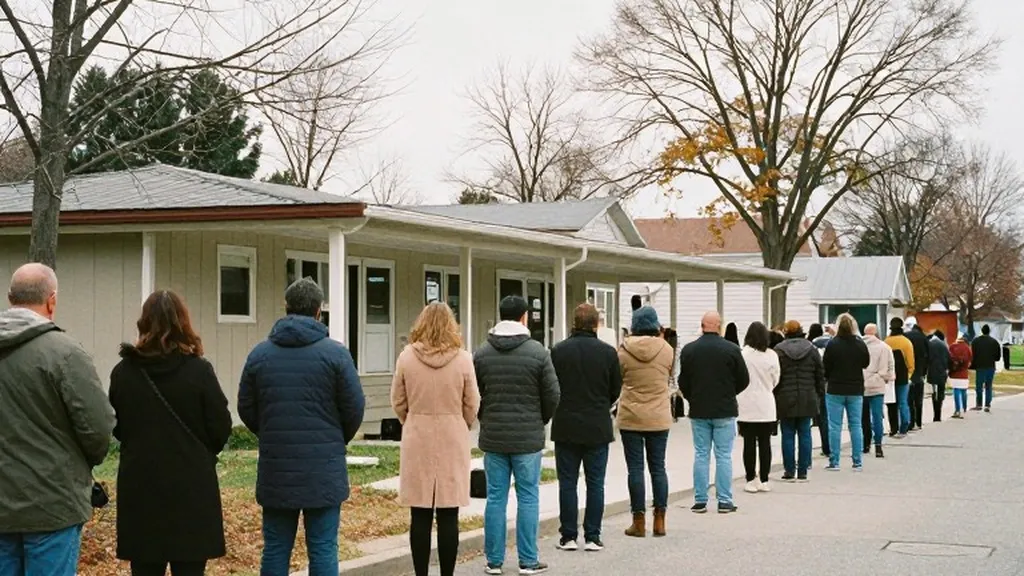
Voter sentiment on the ground reflects a mix of concern and engagement. Mark Barker of Palm Beach Gardens, Florida, said he has been following Trump the whole time and thinks he is doing an awesome job, suggesting that some voters view the war as a sign of strength. Conversely, James Moore, a librarian in Raleigh, North Carolina, stated that he is paying more taxes and more for healthcare and everything else, highlighting the economic frustrations that often accompany foreign policy conflicts. The AP notes that more than 57 million people had already voted as of Monday, surpassing early vote totals from four years ago in many closely watched states. This high turnout indicates that the issues, including the war and the economy, are driving voter participation at historic levels.
The financial stakes of the election are also tied to the war's impact on markets. Reuters reports that Wall Street is watching for more than just control of Congress, as results could add to investor concerns about AI spending and debt ceiling negotiations. The war has introduced volatility into global markets, with energy prices and supply chains being affected by the conflict. Candidates from both parties are attempting to address these concerns, with Republicans pointing to the long-term security benefits of the war and Democrats emphasizing the need for fiscal responsibility and economic stability. The outcome of the election will likely influence how Congress approaches these economic and foreign policy challenges in the coming months.
Election administration has been a point of contention, with a federal judge temporarily barring the Trump administration from carrying out a plan to prevent noncitizen voting. Critics argue that this move risks disenfranchising eligible voters and infringes on states' authority over elections. The U.S. Postal Service has added hours and staff to ensure that mail ballots are counted on time, a measure that is particularly important in states like California and Colorado where mail voting is prevalent. The Justice Department has threatened to prosecute local election officials, a move that Democrats fear could lead to interference and intimidation. These administrative issues have added to the overall tension of the election, with both parties closely monitoring the process to ensure fairness and transparency.
The war with Iran has also played a role in the fundraising efforts of both parties. The 2026 elections are likely to be the most expensive in history, with Republican committees outraising and outspending Democratic committees. However, at the candidate level, Democrats have outraised their opponents. The AP analysis of AdImpact data shows that 88.1 percent of Republican general election TV ad spending went to states and districts Trump won in 2024, including more than $850 million in areas where he won by 10 points or more. This spending pattern suggests that Republicans are focusing on consolidating their base, while Democrats are targeting competitive districts where the war and economy are key issues. The financial resources of the campaigns reflect the high stakes of the election and the importance of the war as a campaign issue.