Amazon drops four Virginia data centers for homes and parks
Following intense local opposition, the tech giant is converting a planned AI facility site into residential neighborhoods and a community arts center.
By Olivia Barnes ·
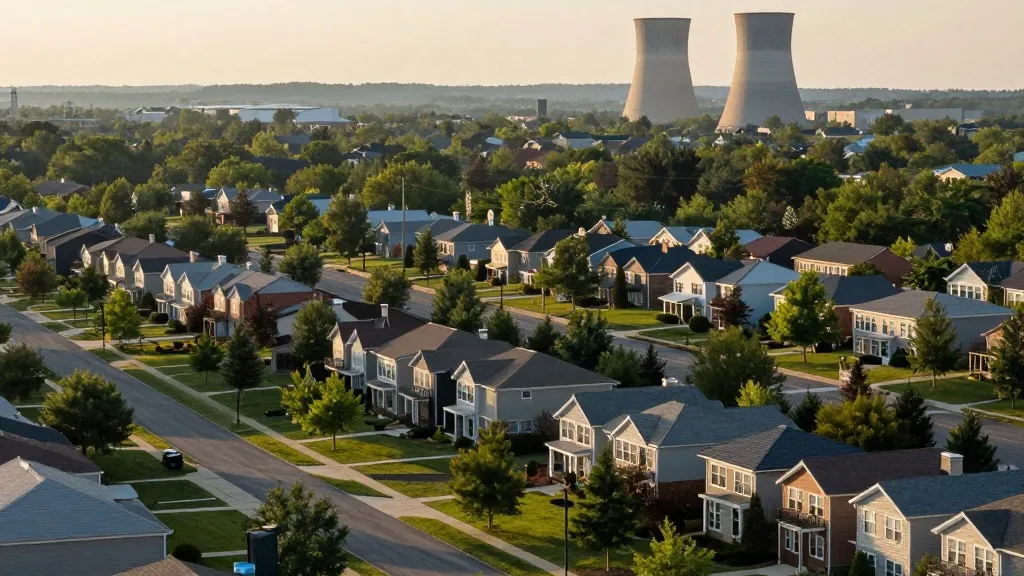
Amazon has officially scrapped plans to build four new data centers in Northern Virginia, opting instead to develop the land for housing and public recreation.
The decision reverses a proposal submitted in July for the former George Washington University campus in Loudoun County. The 122-acre site, located just outside Washington, D.C., was slated for massive AI infrastructure. However, following significant community pushback, the company will repurpose the majority of the space for mixed-use and residential development. As part of the new arrangement, Amazon will donate 25 acres to the county for a community arts center and a new recreational facility. The company will also contribute $5 million to the local housing fund.
This shift marks a notable change in a region already known as 'Data Center Alley' due to its high concentration of computing facilities. Residents expressed strong concerns regarding the noise and substantial power requirements associated with such massive installations. These local worries have recently influenced the county's approach to approving new buildouts. In September, Loudoun County Board of Supervisors Chair Phyllis J. Randall met with Amazon representatives. During that discussion, it was suggested that the company might find a better alternative use for the land than originally proposed.
Josh Weissman, Amazon’s vice president for data center development, acknowledged that the company had initially been eager to purchase the former university campus. He noted that the firm carefully weighed the county’s specific concerns about development at that particular location. Weissman stated that while Amazon viewed the legal development potential of the property differently than the county did, they concluded that a shared vision was preferable to engaging in costly litigation.
The broader context involves a surge in demand for data centers driven by the rapid growth of artificial intelligence. While cloud storage needs have long required new facilities, AI workloads have intensified the need for larger, more power-hungry infrastructure. This expansion has led to friction with local communities worried about electricity price spikes, water shortages, and environmental impact. Just days before this announcement, President Donald Trump urged data center builders and AI hyperscalers to pay local communities a dividend to offset energy-related price increases. He also suggested that these facilities should generate their own electricity and sell or give back excess power to the local grid.
Local officials in Loudoun County emphasized the benefits of choosing dialogue over confrontation. Chair Phyllis J. Randall stated in a report that the agreement created a valuable opportunity for the county. She highlighted that the new plan provides residents with places to gather, create, and play. Randall also noted that, most importantly, the development will provide more attainable homes for working families.
The move signals a potential shift in how tech giants negotiate with local governments on infrastructure projects. By swapping high-demand computing space for residential and civic amenities, Amazon addresses immediate community concerns while securing a long-term presence in the region. The donated land for arts and recreation, combined with the housing fund contribution, aims to balance the economic benefits of tech expansion with the quality of life for local residents. This outcome avoids the potential legal battles that often accompany large-scale data center projects in densely populated areas.
As the region continues to grapple with power grid capacity and environmental impacts, this agreement serves as a test case for future developments. The transition from a planned AI hub to a mixed-use community reflects the growing influence of local stakeholders in the technology infrastructure landscape. For now, the focus shifts to the practical steps of transforming the former campus into homes and public spaces.
Source: Tom's Hardware · original report published