Election Day logistics: Poll hours, ID rules, and mail ballot deadlines
A practical guide for voters navigating the 2026 midterms, covering state-specific opening times, identification requirements, and the role of the U.S. Postal Service in processing mail-in votes.
By Alejandro Brooks ·
Voters across the United States are heading to polling places today to decide the balance of power in Congress for the final two years of President Donald Trump's second term. With all 435 U.S. House seats and 35 Senate seats on the ballot, the day represents a critical checkpoint in the midterm cycle. According to the Associated Press, the election is viewed as a referendum on the current administration, with many voters expressing concern over high prices and the direction of the country. The practicalities of casting a ballot vary significantly by state, requiring voters to be aware of specific local rules regarding hours, identification, and ballot submission.
Polling place hours are not uniform across the nation, and voters are advised to verify the specific times for their location. According to Ballotpedia data, states like New York allow voting from 6 a.m. to 9 p.m., while Kentucky and Indiana close at 6 p.m. local time. In states like Florida and Texas, polls are generally open from 7 a.m. to 7 p.m., though time zone differences within states like Florida can affect the exact closing time for voters in different regions. New Hampshire and Tennessee have variable hours that depend on the specific town or county, meaning voters in those areas must check local election office websites for precise details.
The United States Postal Service has taken significant steps to ensure that mail ballots are counted on time. Reuters reports that the agency added extra hours, staff, and special processing lines to handle the surge in mail-in votes. This is particularly relevant in states like California, Colorado, Oregon, and Utah, where a large portion of the electorate votes by mail. In these states, the deadline for postmarks or drop-offs is critical, and the Postal Service's expanded capacity is designed to mitigate the risk of valid ballots being rejected due to processing delays.
Identification rules also vary by state, and voters are encouraged to check their state's specific requirements before arriving at the polls. While some states require photo identification, others accept non-photo ID or no ID at all if the voter signs an affidavit. A federal judge temporarily barred the Trump administration from implementing a plan to prevent noncitizen voting, a move that critics said risked disenfranchising eligible voters. Additionally, a judge ordered the administration to stop demanding that California election officials segregate ballots cast by people on lists of suspected noncitizens, a decision aimed at reducing administrative burdens on state workers.
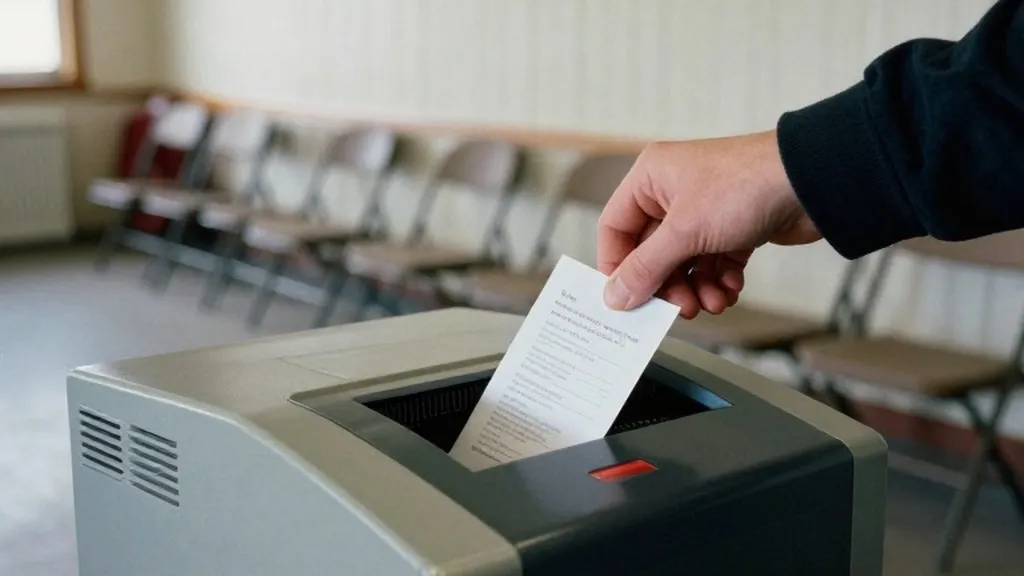
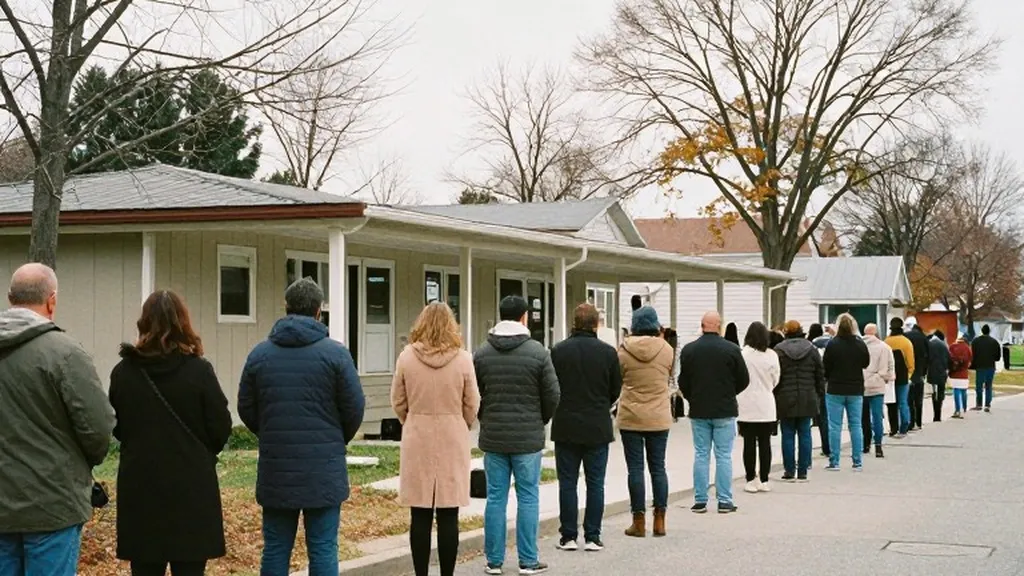
For those who arrive at the polling place after the official closing time, the rule in most jurisdictions is that anyone in line when polls close is entitled to vote. This provision is a key part of the voting process and can lead to long lines in the final hours. The Associated Press notes that more than 57 million people had already voted as of Monday, surpassing early vote totals from four years ago in many closely watched states. This high volume of early voting may reduce the number of voters in line on Election Day, but it does not eliminate the need for careful planning.
The stakes for today's vote are high, with Democrats needing a net gain of four Senate seats and three House seats to claim majorities in both chambers. Republicans currently hold 53 Senate seats and 218 House seats, while Democrats hold 45 Senate seats and 214 House seats, plus two independents who caucus with Democrats. In the House, Democrats need to win at least three more districts than they currently hold to secure the majority, a goal that is within reach given the number of open seats. Republicans can afford to lose only two House seats and still maintain their majority.
In the Senate, the race is particularly tight in states like Michigan, Georgia, and Iowa, where the 2024 presidential margins were close. Ballotpedia identifies 13 Senate races as battlegrounds, with several leaning Democratic or Republican depending on the source. The outcome in these states will determine which party controls the chamber, a position that carries significant influence over judicial appointments and legislative oversight. The Associated Press notes that one or two seats could tip the balance in either chamber, making every vote count in these competitive districts.
Governor races are also on the ballot in 36 states, with Democrats and Republicans both defending a significant number of seats. Republicans hold 26 governorships and Democrats 24, but 19 of the races have no incumbent on the ballot due to term limits or retirement. This lack of incumbency in so many races could open the door for challengers to flip seats, potentially giving Democrats a majority of governorships for the first time in two decades. The Associated Press describes the governor races in Texas, Florida, and Iowa as competitive, with voters weighing issues like the economy and healthcare.
Voters can find their specific polling place at vote.gov or by contacting their state election office. The website provides a searchable database of polling locations and hours, as well as information on ID requirements and mail ballot deadlines. It is a useful resource for both first-time voters and those who have voted in previous cycles but may have moved or changed their registration. The site is updated regularly to reflect any changes in polling place locations or hours, ensuring that voters have the most current information available.
As polls open across the country, the mood is one of anticipation and uncertainty. The Associated Press describes the election as a moment of decision for the country, with voters struggling to balance their views on the economy, foreign policy, and the role of the federal government. The outcome will not only determine who controls Congress but also set the tone for the remainder of the president's term and the lead-up to the 2028 presidential election. For now, the focus is on the process of voting itself, with millions of Americans working to make their voices heard in a fair and orderly manner.