Voters in Raleigh and Palm Beach Weigh Tariffs and Prices on Election Day
AP-NORC data shows economic anxiety driving turnout as independents and partisans debate the cost of living.
By Olga Paredes ·
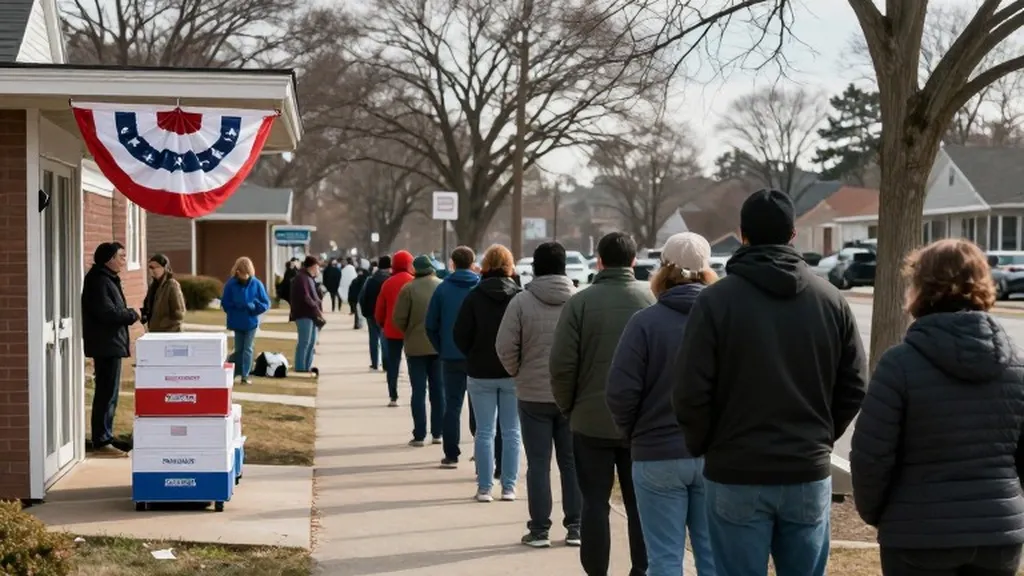
On this Tuesday, November 3, 2026, American voters are heading to the polls to decide the balance of power in the United States Congress. This midterm election occurs halfway through President Donald Trump's second term, and the results will determine which party controls the legislative branch for his final two years. All 435 seats in the U.S. House of Representatives are on the ballot, along with 35 seats in the U.S. Senate. The Associated Press describes the day as a referendum on the current administration, with many citizens citing high prices and economic strain as their primary concerns.
The Associated Press and NORC at the University of Chicago have released polling data that highlights the central economic anxiety among the electorate. According to the survey, only 35 percent of U.S. adults approve of President Trump's overall job performance, while just 25 percent approve of his handling of the economy. Approximately seven in ten respondents believe the country is heading in the wrong direction. Most of these voters attribute the high cost of living to the current administration, a sentiment that has become a defining feature of the campaign trail.
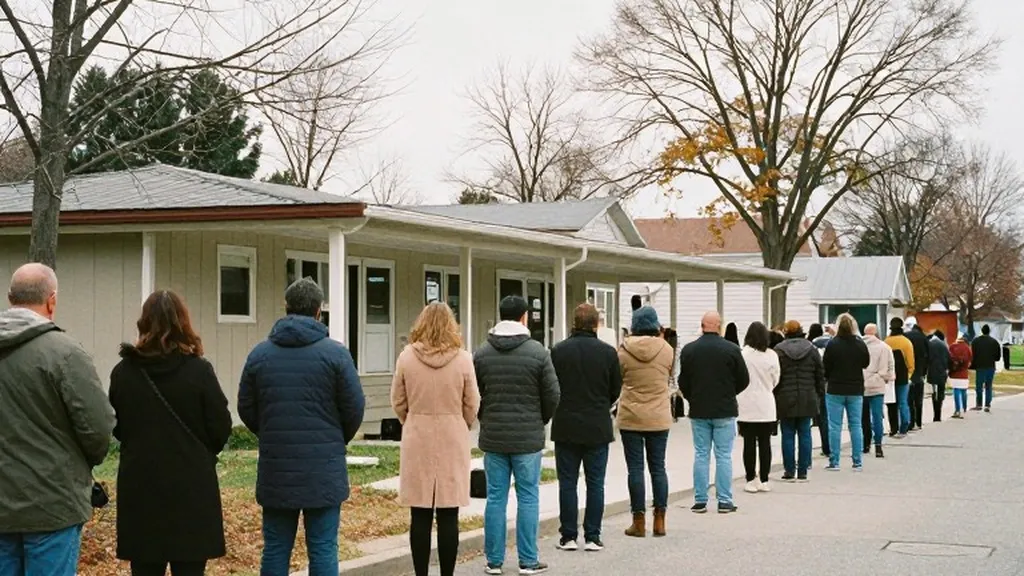
In Raleigh, North Carolina, the impact of these economic trends is visible in the daily lives of residents. James Moore, a 57-year-old librarian, expressed his frustration at a polling place in the state. Moore stated that he is paying more taxes and facing higher costs for healthcare and other essentials. His comments reflect the broader mood among voters who feel that the national debt and recent tariff policies have increased the price of goods and services. North Carolina is one of several states using new congressional maps for this election, a change that may influence how these economic concerns translate into legislative seats.
Contrasting this view, voters in Palm Beach Gardens, Florida, offered a different perspective on the administration's performance. Mark Barker, a voter in the community, said he has been following President Trump closely and believes he is doing an awesome job. Barker's optimism highlights the divide among the electorate, where some voters remain supportive of the President's economic policies despite the rising costs reported in national polls. Florida is another state with a new congressional map, and the outcome there could have significant implications for the control of the House.
The race for control of the U.S. Senate is equally intense, with 35 seats up for grabs. Republicans currently hold 53 seats, while Democrats hold 45, with two independents who caucus with the Democrats. Democrats need a net gain of four seats to secure a majority, a hurdle that requires winning several competitive races. Key battlegrounds include Maine, Iowa, and Georgia, where the margin of victory in the 2024 presidential election was narrow. The Associated Press notes that economic strain and tariffs have made states like Maine particularly competitive, as voters weigh the impact of trade policies on local industries.
In the U.S. House, the race is tightly contested with Republicans holding 218 seats and Democrats holding 214. Democrats need a net gain of three districts to take control of the chamber, while Republicans can afford to lose no more than two seats. The Associated Press and NORC data suggest that voters are closely watching the cost of living, with many feeling that the current economic policies have not delivered the promised benefits. This sentiment is driving high turnout, with more than 57 million people having already voted as of Monday, surpassing early vote totals from four years ago in many states.
The financial stakes of this election are also high, with the 2026 elections likely to be the most expensive in history. Republican committees have outraised and outspent Democratic committees, aided by Trump-affiliated groups and Elon Musk. However, at the candidate level, Democrats have outraised their opponents. The Associated Press analysis of advertising data shows that 88.1 percent of Republican general election TV ad spending went to states and districts that Trump won in 2024, indicating a focus on consolidating support in areas where the President has strong approval ratings.
The administration's efforts to influence the election have also drawn attention, with Trump holding dozens of rallies in the days leading up to election day. His final rally was held in Salina, Kansas, where he urged voters to pretend he was on the ballot. Meanwhile, the Justice Department has threatened to prosecute local election officials, a move that Democrats fear could lead to interference and intimidation. A federal judge temporarily barred the administration from carrying out a plan to prevent noncitizen voting, a decision that critics say risks disenfranchising eligible voters and infringes on state authority over elections.
As polls close across the country, the focus remains on the economic issues that have dominated the campaign. Voters in states like North Carolina and Florida are making their choices based on their personal experiences with prices and taxes. The outcome of this election will shape the legislative agenda for the next two years, with potential implications for oversight, investigations, and the path of 2028 presidential candidates. The Associated Press notes that if Democrats win even one chamber, investigations and possible impeachment proceedings become more likely, adding another layer of stakes to this pivotal midterm election.
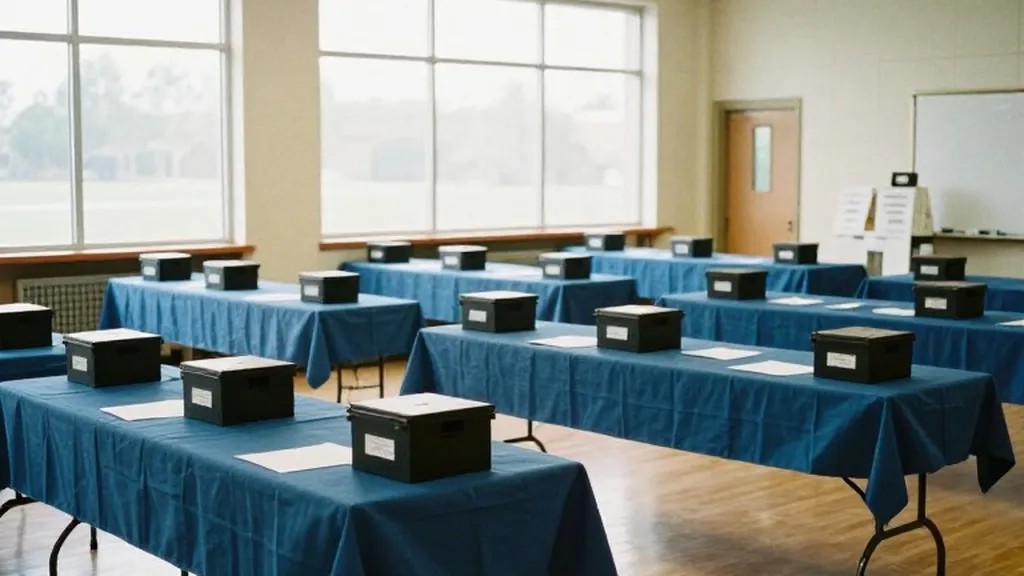
The day ends with the counting of mail ballots and the closing of polling places in states like California and Hawaii. The U.S. Postal Service has added hours and staff to ensure that mail ballots are counted on time, a critical step in a year where mail voting is a significant component of the process. As the results come in, the focus will remain on how voters in battleground states have responded to the economic messages of both parties. The election is a test of whether the public's anger over high prices will translate into a shift in congressional control, or whether the incumbent party will retain its majority despite the challenges posed by the current economic climate.