
Markets brace for policy shift as AI spending and debt cap loom
Democratic control of Congress opens new fronts on trade, energy, and the Federal Reserve.
By Olivia Barnes ·
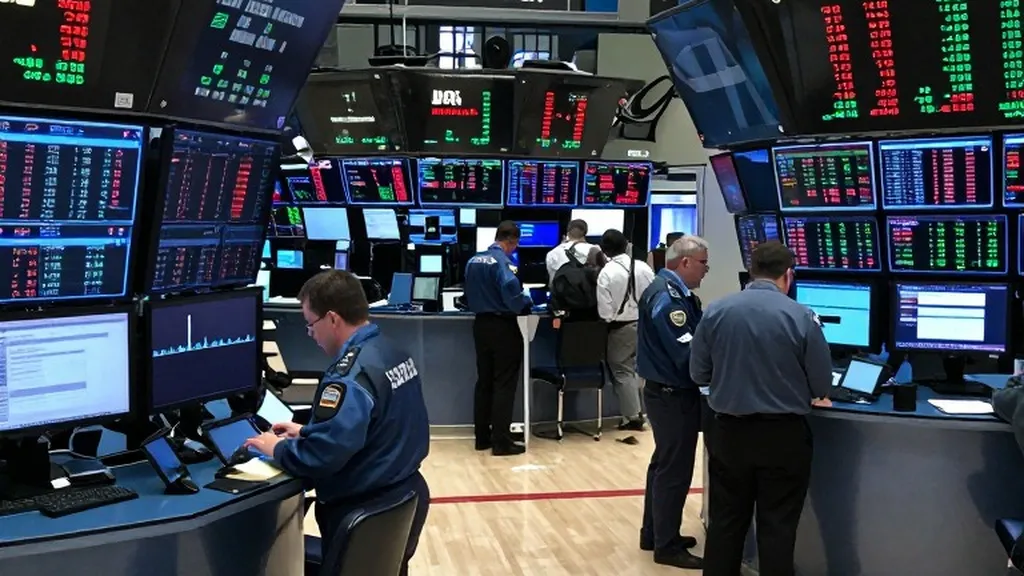
Global financial markets are poised for a significant adjustment as the sweeping Democratic victory in the 2026 midterm elections signals a sharp pivot in Washington policy priorities. The new congressional majority, which now holds at least 54 seats in the Senate and a wide majority in the House, is expected to confront the administration on key economic issues including trade, energy, and the expansion of artificial intelligence infrastructure. Analysts note that the shift in power creates a divided government where Congress is likely to reassert itself as a coequal branch, challenging the executive agenda that defined the past two years.
One of the primary areas of focus for investors is the trajectory of artificial intelligence spending. Reuters reports that the Democratic control of Congress will open a new phase in the battle over economic policies, specifically citing the freight train expansion of AI as a major driver of the recent voter rebuke. The new leadership in both chambers is expected to scrutinize the rapid growth of data centers and the associated energy demands, a topic that resonated with voters concerned about rising utility costs and environmental impact. This regulatory scrutiny may influence how tech giants structure their long-term capital expenditure plans in the coming months.
The debt ceiling remains a critical point of tension between the new legislative majority and the White House. With Democrats holding the purse strings, negotiations over the national debt limit are likely to become a central feature of the lame duck session. House Democratic Leader Hakeem Jeffries has outlined a 100-day agenda that includes efforts to lower the cost of living, a mandate that will require careful fiscal management. The potential for gridlock is high, as President Trump has warned of using the presidential veto to strike down the Democratic agenda, a stance that could complicate short term borrowing strategies for the Treasury Department.
Trade policy is another sector where the new congressional balance of power may exert immediate influence. The Republican defeat in key agricultural and industrial states suggests a desire for more protectionist measures or renegotiated trade deals that address domestic manufacturing concerns. Democrats are under pressure to show solutions for high gas and grocery prices, which are often linked to global supply chain disruptions and trade barriers. The new majority may look to leverage their position to adjust tariffs or impose new regulations on import flows, a move that could ripple through global commodity markets and affect currency exchange rates.
The Federal Reserve’s independence is also under the microscope following the election results. Reuters analysis indicates that the Democratic control of the Senate strengthens the central bank against presidential efforts to meddle with its operations. The Senate’s control over appointments serves as a major guardrail, preventing the president from landing additional allies at the central bank. This institutional check is viewed by markets as a stabilizing factor, potentially reducing volatility in bond yields as investors gain confidence in the Fed’s ability to maintain its monetary policy stance without political interference.
Energy policy presents a complex landscape for the new Congress. The war in Iran, which was a major driver of the Republican loss, has sent fuel prices soaring and remains a source of frustration for voters. Democrats are expected to push for a stronger defense of the Iran conflict and a focus on energy security, which may involve a mix of domestic production incentives and strategic reserve adjustments. The outcome of these policy debates will directly impact oil and gas futures, as well as the broader energy sector, which has been a key battleground in the midterm elections.
Governors also played a significant role in the election results, with Democrats winning a majority of governorships for the first time in two decades. This shift allows them to put up a stronger defense against the president’s second term agenda at the state level. The new Democratic governors in states like Georgia, Iowa, Ohio, and Texas will have the authority to influence state level economic policies, including tax incentives for businesses and regulations on local industries. This state level alignment with the federal majority could create a more cohesive policy environment for companies operating across multiple jurisdictions.
The impact on the financial sector is expected to be multifaceted. The crypto industry, which spent roughly $200 million in this election cycle, saw some of its high profile targets fail to go its way, including the Senate race in Ohio. This result may temper the industry’s expectations for rapid regulatory approval and could lead to a more measured approach to legislative engagement. Banks and insurance companies, meanwhile, may face increased oversight as Democrats move to reverse cuts to healthcare programs and other social safety nets that affect their client base.
International allies are closely watching these developments, with European far right politicians beginning to distance themselves from the U.S. president following the Democratic victory. This diplomatic shift may have implications for transatlantic trade agreements and defense spending commitments. The new congressional leadership is expected to prioritize a more collaborative approach with traditional allies, which could stabilize trade relations and reduce the uncertainty that has plagued global markets in recent years. The focus on ending the Iran war, as expressed by British Prime Minister Andy Burnham, suggests a broader alignment on foreign policy goals that may benefit global risk assets.
As the new Congress prepares to convene on January 3, 2027, the immediate impact on markets will depend on the pace of legislative action. The 100 day agenda promised by House Democrats includes bills to reverse cuts to the Affordable Care Act and Medicaid, which could influence healthcare stocks and insurance premiums. The robust oversight agenda, signaled by warnings from committee leaders to have lawyers ready, suggests a period of intense scrutiny that may lead to increased volatility in sectors facing potential investigations. Investors will be watching for early signals of compromise or conflict as the new era of divided government begins.