Railway Crisis: Spain's Transport Chief Steps Down
Óscar Puente resigns and drops his election bid following a crash that killed 69 people outside Urda.
By Olivia Barnes ·
Óscar Puente resigned as Spain’s transport minister on Tuesday. He followed a train crash last week that killed 69 people. This incident stands as one of the deadliest railway disasters in Europe in the current century.
Puente announced he is also pulling his name from the ballot for the early legislative elections scheduled for 29 November. Prime Minister Pedro Sánchez is currently trailing in opinion polls. The recent crash and another fatal collision earlier this year have cast a shadow over the campaign trail.
The minister had previously stated on multiple occasions that he would remain in his role. During a long hearing before lawmakers, he changed course. He told the assembly, "I wish to inform you that I am not only stepping down from my position as minister of transport, but that I am also withdrawing my name from the lists for the early legislative elections on 29 November."
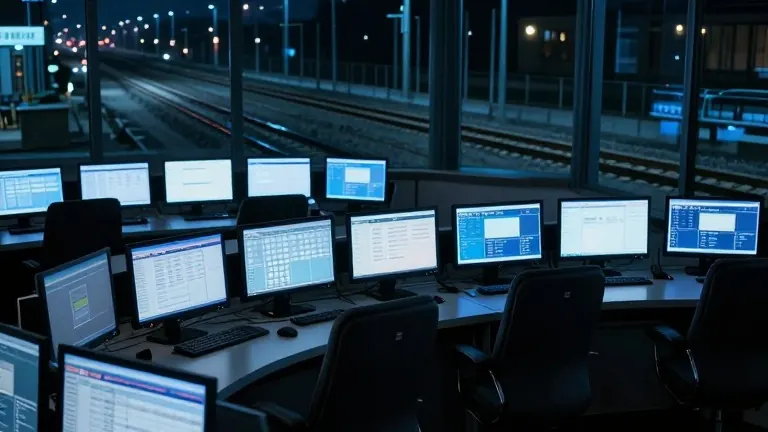
Hours before the hearing, Puente held a press conference to outline new safety measures. He said the government would work tirelessly to regain public trust in high-speed rail. Spain operates the second largest high-speed network in the world. The new plan includes software for control centers that issues automatic alerts. It also introduces an AI agent to oversee the system and minimize human error.
The crash occurred on Wednesday outside the village of Urda, about 80 miles south of Madrid. A state-owned Renfe train plowed into the rear of a stationary Iryo train. An automatic safety system failure had stopped all traffic on a 39-mile stretch of track. Despite this, a control center authorized the Renfe service to move. Right-wing opposition parties and unions criticized Puente for initially blaming a single control center operator.
Puente announced reforms for control center operators, including changes to breaks and fatigue monitoring. He also proposed a second operator must confirm decisions made while the automatic safety system is offline. The government will provide a 30 million euro aid package for the families of the dead and those injured.
The drivers' union Semaf has called strikes for 10 and 12 November. They cite worsening working conditions and degraded systems. Critics argue that maintenance investment has not kept pace with passenger numbers since 2021, when private companies were allowed to enter the market. A separate collision in Andalusia in January killed 46 people on the same line connecting Madrid to Seville.
Source: The Guardian
More Politics · World news · Report a business · Got a Story?