Voters should watch early signals, not just polls, say two experts
Tamara Keith and Amy Walter argue that specific turnout patterns in upcoming races will reveal more about the November general election than national averages.
By Alejandro Brooks ·
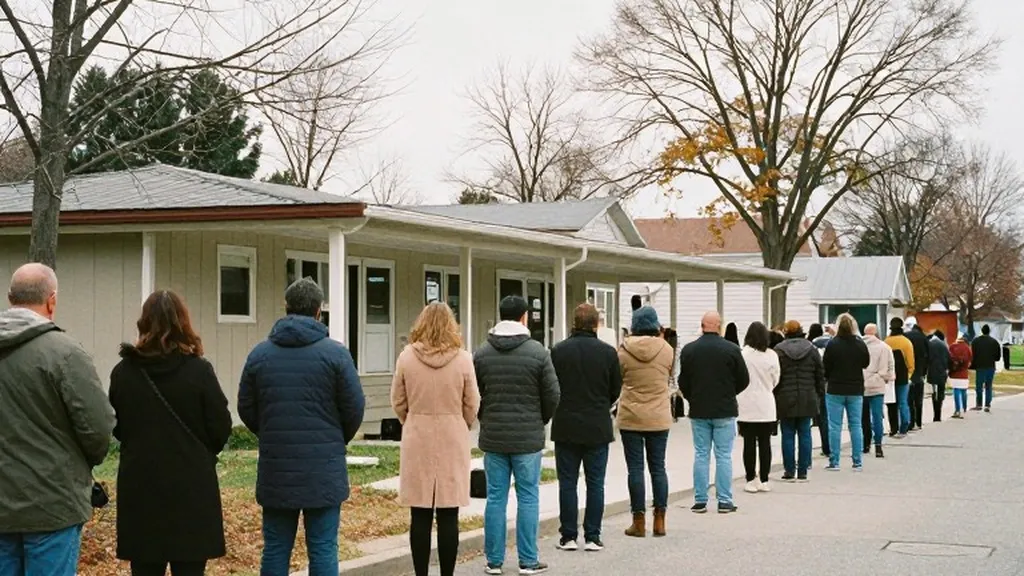
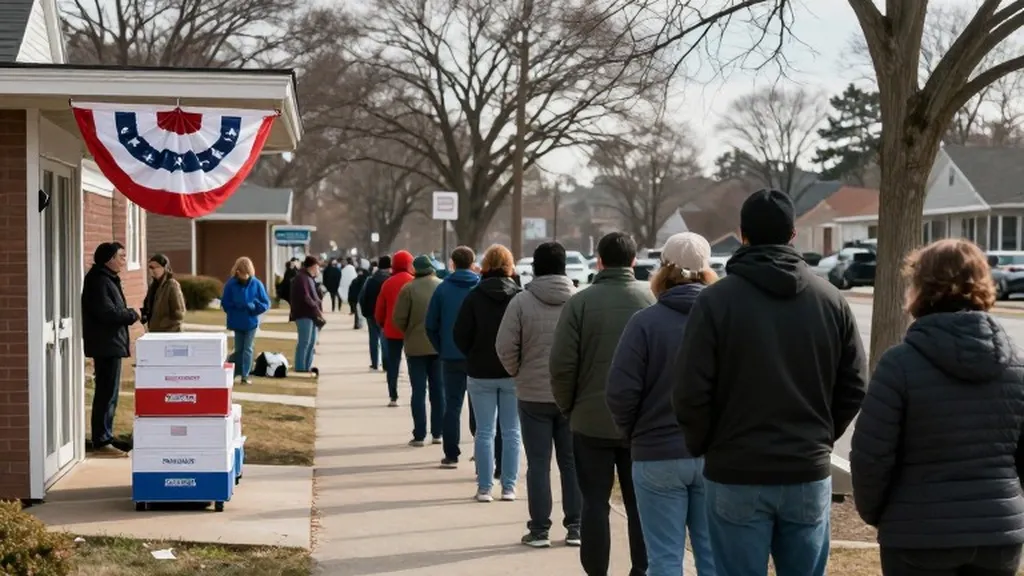
Voters who want a clearer picture of the November election should look at specific turnout data in early voting contests. Two prominent political analysts advise against relying on national poll averages during this phase of the cycle. They argue that local signals provide a more reliable gauge of voter intent.
Tamara Keith, a senior correspondent for NPR, and Amy Walter, the director of the Cook Political Report, discussed these points in a recent interview. The conversation focused on the early signals that typically precede a general election. Both women stressed that these indicators often predict outcomes more accurately than broad national sentiment.
Keith noted that turnout in early voting states serves as a bellwether. She pointed to historical data showing that high participation rates in specific regions correlate with final results. Walter agreed, adding that the timing of these votes matters as much as the volume. She described the early returns as a diagnostic tool for the rest of the country.
The two experts warned that national polls can be misleading right now. They cited the small sample sizes that often affect early survey results. Walter explained that these early numbers frequently swing in both directions. Keith added that media outlets often amplify these swings, creating a false sense of certainty for viewers at home.
Instead, the analysts recommended tracking specific demographic groups. They identified certain voter blocs that tend to vote early in large numbers. Keith suggested that researchers should monitor the participation rate of college-educated white voters. Walter focused on the turnout among Black voters in the South. She said this group's early engagement often sets the tone for the entire election.
The conversation also touched on the role of media coverage in shaping public perception. Both Keith and Walter argued that the press often overemphasizes headline numbers. They called for a more nuanced approach to reporting on the race. Walter stated that context is essential for understanding the data. Keith agreed, noting that a single low number in one state does not define the national trend.
The two women concluded by advising the public to stay patient. They said the full picture will not emerge until the first few weeks of November. Keith encouraged viewers to watch for shifts in specific battleground states. Walter added that the final margin in these states will depend on turnout in the last days. She predicted that the early signals will become clearer as more data comes in.
The interview was part of a broader series on the 2026 election cycle. It aired on a public radio network that specializes in in-depth political analysis. The segment aimed to help listeners make sense of the confusing early numbers. Keith and Walter provided their insights without taking sides in the race. Their goal was to offer a framework for interpreting the coming weeks of data.
Source: Cascade PBS