Netanyahu's Camp Falls Short of Majority as Israel Faces Coalition Talks
The Prime Minister’s bloc won 53 seats in Tuesday's election, leaving opposition leaders with a narrow path to form a government without him.
By Alejandro Brooks ·
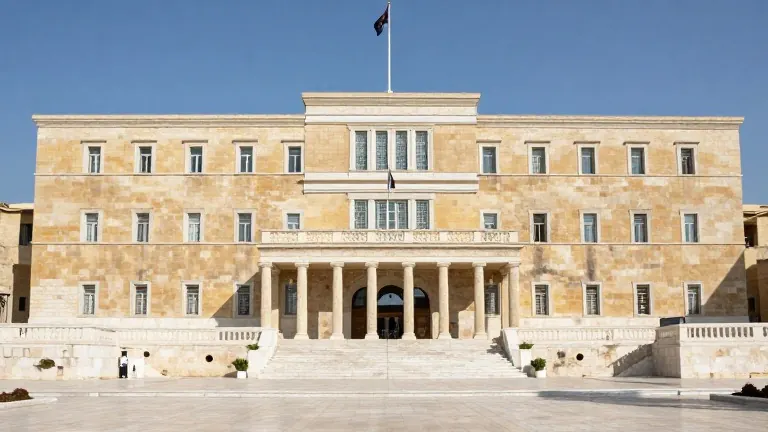
Benjamin Netanyahu lost his parliamentary majority in Israel’s general election held on Tuesday, according to final results released on Friday morning. His bloc secured 53 seats in the 120-member Knesset, while the main opposition bloc won 48. Parties led by Arab leaders captured the remaining 19 seats, a result described as historic.
The outcome leaves the country in a state of political flux. Netanyahu remains the longest-serving prime minister in Israeli history and continues to lead the current government. However, he no longer holds the 61 seats required to form a standalone majority. The opposing factions must now negotiate to unite enough parties to reach that threshold.
Yair Lapid, a centrist politician, acknowledged the difficulty of the moment ahead. In a post on X, he told Israelis to be patient. “If you want to know if something is happening behind the silence you are hearing now, the answer is yes,” Lapid wrote.
The path forward involves difficult decisions for the opposition. Leaders who campaigned vigorously to remove Netanyahu from power must decide whether to ally with Arab-led parties or join him in a potentially conflicted unity government. The results are scheduled for certification and presentation to President Isaac Herzog on Wednesday. Herzog will then task a leader with forming a new cabinet. If no government is formed after several attempts, new elections will be held in early next year.
Tensions rose in the hours before the final tally was announced. Netanyahu and his Likud party amplified claims that Arab-led parties had stolen the election, possibly with foreign aid. The opposition accused Netanyahu of demonizing the country’s Arab population, which makes up 20 percent of the population. In his first public statement on Friday, Netanyahu said on X that it is forbidden to form a coalition with Arab parties.
Noam Sohlberg, the head of the electoral commission, stated that he received “serious suspicions” of foreign interference. He requested the Shin Bet security agency to investigate. The Shin Bet said its investigation was not intended to cast suspicion on the entire Arab population. Dean Livne, the acting director-general of the electoral committee, called reports about the investigation “totally unfounded.”
New Knesset members are expected to take office on November 10. If Gadi Eisenkot’s bloc allies with Arab parties, they could elect a new speaker and control the legislative agenda before a new executive branch is formed. Netanyahu faces potential accountability for corruption charges and the security failures leading up to the October 7, 2023, Hamas attack if he loses the premiership.
Source: KUAN-LD