U.S. Tells Allies to Brace for Iran Strikes After Midterms
Washington is warning regional partners to expect renewed U.S. airpower and Iranian retaliation on infrastructure following the Nov. 3 elections.
By Olivia Barnes ·
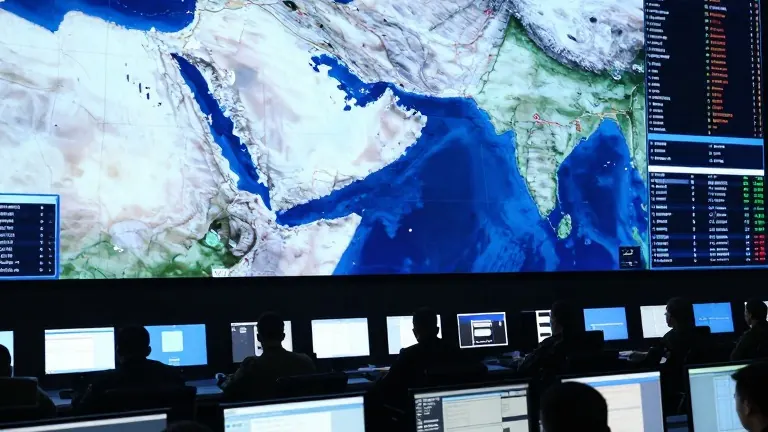
U.S. diplomats are warning Middle East allies to prepare for a new round of American military action against Iran and immediate Iranian counterattacks. The warnings arrived as the United States approaches its midterm elections, creating a tense window where regional powers are bracing for renewed conflict.
Two diplomats briefed on the matter told AP that U.S. officials have conveyed this message to several countries. They spoke on condition of anonymity because the discussions were not yet public. The guidance suggests the U.S. may strike Iran within days of the Nov. 3 vote. Officials also warned that Iran and its proxy groups could retaliate, potentially extending the fight beyond the initial American strikes.
The U.S. has not attacked Iran since early September, but the conflict has expanded. Houthi rebels backed by Iran have struck Saudi oil infrastructure and airports. A Saudi-led coalition responded with attacks on Houthi-held territory in Yemen. The U.S. is now telling allies to protect energy facilities and other key infrastructure, anticipating that Iran will target these assets in response.
President Donald Trump has not made a final decision on new strikes. However, he has repeatedly stated he is weighing military action once the elections conclude. The White House declined to comment on the specific warnings. The timing creates a strategic dilemma for Tehran, which could attempt a provocative move before the U.S. election to seize the initiative.
Jonathan Schanzer, executive director of the Foundation for Defense of Democracies, noted that Iran might not wait until after the elections. "Why would they wait until after the elections here .. if they could initiate it and potentially gain the upper hand?" he said. This concern is heightened by recent U.S. military movements in the region.
The Pentagon deployed the USS Theodore Roosevelt and amphibious landing ships with Marines from San Diego to the Persian Gulf late last month. This deployment added roughly 9,000 troops to the area. One official said this could result in a naval presence of more than 20,000 sailors and Marines, plus hundreds of aircraft, in the Middle East. Such a concentration has occurred only a few times in the last two decades.
The war has cost American taxpayers $47.1 billion, according to the latest Pentagon estimate provided to Congress. Rising gasoline prices have become a political liability for Republican candidates. Trump campaigned in Lubbock, Texas, on Tuesday, telling voters the conflict could end "in a couple of weeks, if you don't mind." He also said the end must be "total and complete," ensuring Iran never has a nuclear weapon.
Source: Daily Breeze