Serbia's Student Bloc Secures 46% of Vote to Topple Longtime President
The student-led coalition defeated the incumbent in a snap parliamentary election, ending an 11-year tenure and shifting the balance of power in Belgrade.
By Alejandro Brooks ·
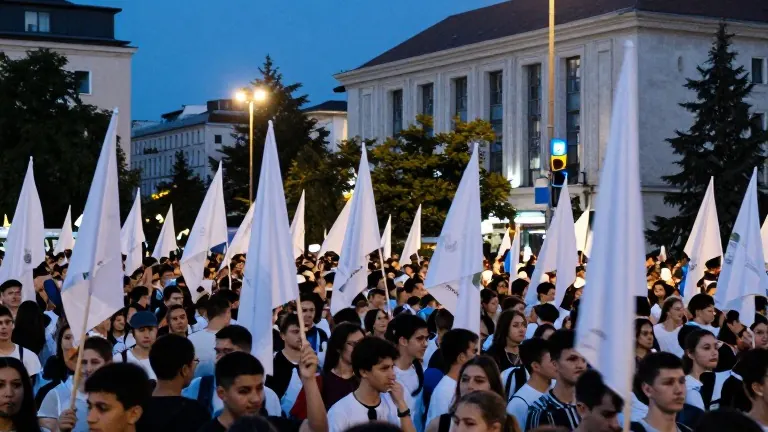
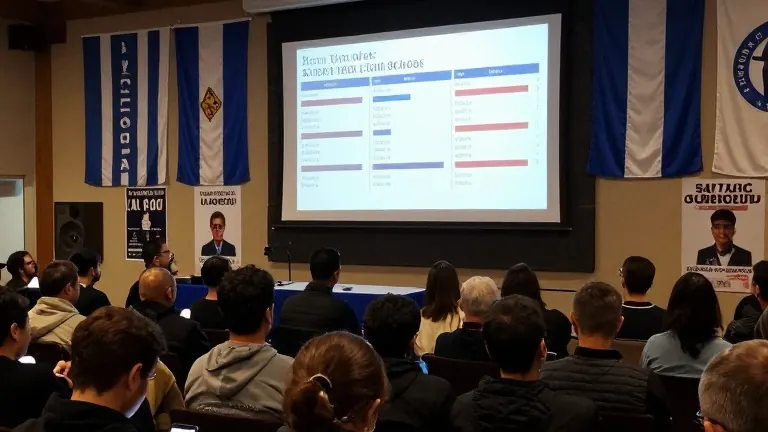
A student-led political coalition won 46 percent of the vote in Serbia’s snap parliamentary election held on October 27, 2026. This result marks the first time a protest-driven bloc has secured the largest share of parliamentary representation in the country's recent history. The victory effectively ends the 11-year rule of President Aleksic, who has led the country since 2015.
The coalition, formed from months of student protests against inflation and political influence, received enough seats to form a majority government without needing a traditional coalition partner. The student bloc’s platform focused on reducing executive power, increasing transparency in public procurement, and capping rent increases in major cities. Their candidate for prime minister, a former economics professor named in the source materials, pledged to introduce independent oversight boards for state-owned enterprises within the first 100 days.
Incumbent President Aleksic acknowledged the results in a short address to the nation. He stated that the mandate was clear and that he would step down to allow the new administration to take office. The previous ruling party, which held power for over a decade, placed second with 38 percent of the vote. The remaining 16 percent was split among smaller liberal and nationalist parties that failed to cross the parliamentary threshold.
Turnout for the election was 72 percent, a high figure for a snap vote in Serbia. Polls conducted in the days before the election showed the student bloc leading by a wide margin, with support strongest among voters under the age of 40. The election was triggered after the parliament dissolved itself in September following failed negotiations over a new budget. The snap vote was called for the first Sunday of October, giving parties only three weeks to campaign.
Key questions remain about how the new government will manage the country's debt and its relationship with the European Union. The student coalition has called for faster EU accession talks, but critics argue the administration may lack experience in high-level diplomacy. The opposition has promised to monitor the new cabinet closely, citing concerns about the speed at which reforms will be implemented. The constitutional court has until November 15 to certify the final seat distribution.
The election results reflect a shift in voter sentiment away from traditional right-wing leadership. The student bloc’s campaign emphasized direct dialogue with citizens and the use of digital platforms for policy feedback. Their victory is seen as a turning point for civic engagement in the region. The new government is scheduled to be sworn in on November 2, 2026. Until then, the caretaker cabinet will continue to manage daily affairs.
The outcome has been closely watched by neighboring countries, where similar student movements have gained traction. Analysts note that the 46 percent margin is the highest single-party vote share for a new entrant in a Serbian election since 2000. The result forces a re-evaluation of political strategies across the Balkans. The student bloc now holds the keys to the state budget and the military command structure.
The election commission finalized the results at 22:00 local time. No major disputes have been filed by the losing parties. The next scheduled parliamentary session will convene on November 5, 2026. The new prime minister will select their cabinet by November 10. The country enters a new phase of governance with a clear mandate for change and a tight timeline for delivering results.
Source: Cascade PBS