Judge Carter Rejects DOJ Bid to Hold 20,000 California Ballots
A federal court ruled against the Justice Department's emergency request to segregate votes from individuals deemed likely noncitizens, a move California officials warned would disrupt mail ballot processing days before the vote.
By Olga Paredes ·
Mail ballot processing in California continues without a federal pause, following a Wednesday evening ruling by U.S. District Judge David Carter. The decision denies the Department of Justice an emergency request to stop handling ballots linked to 20,000 voters the federal government labels as likely noncitizens. For California voters, the immediate impact is the absence of a last-minute hold on their mailed ballots, allowing local election officials to proceed with signature verification and tabulation as planned.
The Justice Department filed the lawsuit on Oct. 15, arguing that the window to separate eligible votes from ineligible ones is closing. Federal prosecutors contend that once mail ballot envelopes are opened to verify signatures, the ballots are separated to protect voter confidentiality. At that stage, the DOJ argues, it becomes impossible to retrieve an ineligible ballot. The department maintains that votes cast by noncitizens dilute the influence of U.S. citizens, a stance backed by a recent surge in criminal charges for illegal voting.
State and local officials opposed the emergency measure, calling the DOJ's list of likely noncitizens unreliable. A preliminary analysis by Los Angeles County found that many individuals on the list do not have active voter registrations. Officials also warned that segregating ballots days before Election Day would be both unlawful and infeasible, creating logistical chaos while disenfranchising eligible voters. State Attorney General Rob Bonta wrote in a court filing that the litigation serves as a precursor to further federal interference in California's election process.
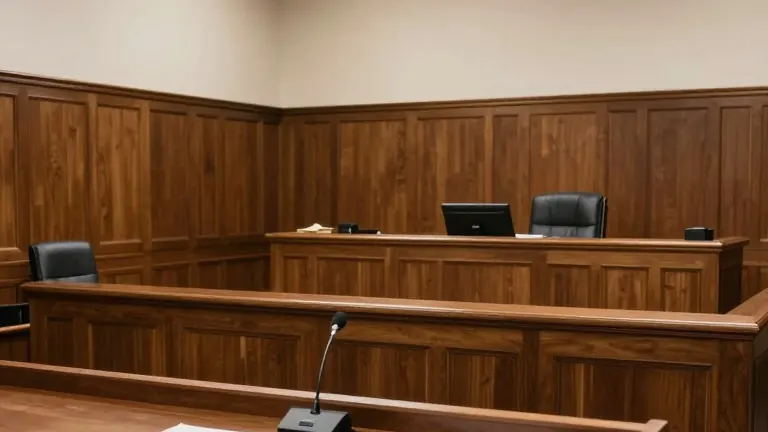
Judge Carter, a Clinton appointee, issued a 26-page order rejecting the temporary restraining order. He noted that the federal government has never previously sought to coerce a state and local government to abandon constitutional election procedures on the eve of an election. Carter expressed concern that segregating votes could cause lasting harm. He wrote that if the Executive Branch can discount votes based on unproven allegations, the nation's democracy faces danger, and the court declined to participate in such a process.
The dispute over the accuracy of the federal list remains central to the case. Los Angeles County data suggests a significant portion of those listed were born in the U.S., according to records. However, Nicolas Bartell, a senior official at U.S. Citizenship and Immigration Services, filed documents stating that a review found none of the sampled individuals were U.S.-born. Bartell acknowledged that four people might have a claim to U.S. citizenship. Kassra Oskooi, a political scientist and expert witness for voting rights groups, countered in a declaration that the USCIS matching protocol is likely to be unreliable.
The Justice Department is expected to appeal Carter's decision, potentially bringing the case before the U.S. Supreme Court. Similar federal actions have appeared in other states. In Washington, federal prosecutors asked officials on Monday to review a list of 400 registered voters believed to be likely noncitizens. In Alaska, the DOJ filed a lawsuit seeking to stop the state from certifying Senate race results if the Republican incumbent loses to a similar-named candidate accused of being a spoiler.
The DOJ's emergency request was based on the urgency of the mail ballot timeline. As of the ruling, voting and processing were already underway. The court's denial allows California to maintain its current workflow for the remaining ballots. The next step in the legal process is the Justice Department's decision on whether to file an appeal with the Ninth Circuit Court of Appeals.
Source: LAist
More Business · Consumer Watch · Report a business · Got a Story?