Oregon’s outdoor economy depends on salmon habitat protection
Commercial fishermen argue that Bonneville Power Administration infrastructure investments must account for the $10 billion annual value of the state’s outdoor sector.
By Olivia Barnes ·
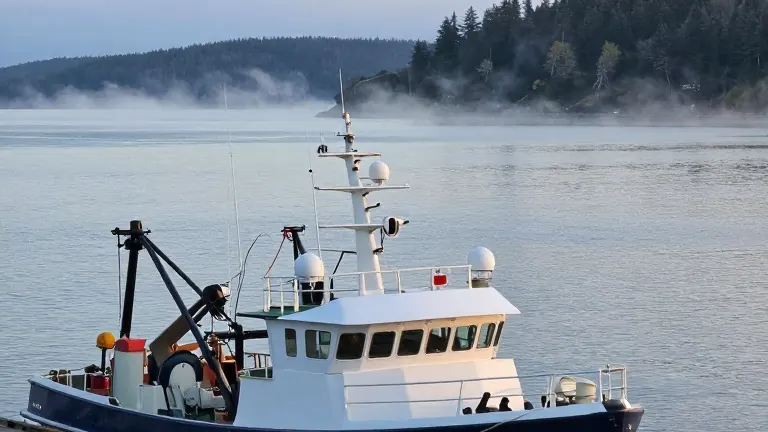
Commercial salmon fishermen in the Pacific Northwest are urging the Bonneville Power Administration to balance infrastructure upgrades with habitat conservation. They argue that reducing spending on salmon protection to lower energy costs creates a false choice between affordable power and economic stability.
Amy Grondin, a commercial fisherman who operates a salmon troller out of Newport, Oregon, has worked in the industry for 30 years. For the past 15 years, she has fished her own vessel. Grondin serves on the board of Save Our Wild Salmon and advocates for clean water protections. She states that healthy rivers are the foundation of the local economy for many coastal residents.
Grondin contends that state and federal fisheries management systems aim to sustain populations, yet catch numbers are declining. Many commercial fishermen require second jobs in winter because their income from fishing alone is insufficient. She notes that the economic impact extends beyond the fleet to include sport fishing tourism, where visitors purchase gear, fuel, food, and lodging.
The local restaurant industry relies on these visitors and often features locally caught fish. Grondin explains that the supply chain connects directly to agriculture, as multigeneration family farms require healthy rivers for irrigation. She suggests that the output of local farms is a more accurate measure of economic health than corporate balance sheets.
A recent analysis cited in the commentary estimates that approximately 70,000 direct jobs and 225,000 indirect and adjacent jobs in Oregon depend on outdoor activities. These activities include both commercial and recreational fishing. Together, this sector generates nearly $10 billion annually. Grondin warns that if the Bonneville Power Administration fails to protect salmon, this portion of the state’s economy will suffer.
Grondin acknowledges the need for reliable and affordable energy to maintain vessel safety and support the broader economy. She uses her own reliance on radar and GPS plotters to illustrate the necessity of technology in modern fishing. However, she believes the energy system should be managed with the same care and cost efficiency she applies to her vessel maintenance.
The author calls for utility lobbyists to stop pitting community groups against one another. She asserts that investing in healthy rivers is synonymous with investing in an inclusive and affordable economy. Grondin expects the energy system managers to provide reliable service without sending residents increasingly large bills each year.
More Business · Consumer Watch · Report a business · Got a Story?