Inflation: Fuel costs drop before Tuesday CPI release
Gasoline and diesel prices fell in October, but economists warn that rising memory costs and the Iran war keep pressure on the Federal Reserve.
By Alejandro Brooks ·
Americans face a mixed signal on prices just weeks after voting in congressional midterm elections. While fuel costs dipped last month, other sectors of the economy continue to see costs climb, creating a complex picture for the Federal Reserve as it prepares for its next meeting.
Bloomberg surveyed economists who predict the consumer price index will rise 0.3% month over month in October. They also expect core inflation, which excludes food and energy, to increase by 0.2%. These figures follow a September report where prices grew 0.6% from the prior month and 3.7% year over year. The October data lacks a year-ago comparison because the government shutdown forced the agency to skip the October 2025 report.
The cost of fuel drove much of the recent volatility. Regular gasoline prices rose 40% since February, and diesel prices are 70% higher than at the start of the year. These increases stem from global tariffs and the war in Iran, which began in February. Diesel is a key input for transportation, meaning higher costs ripple through the supply chain to reach store shelves.
Voters reacted to these economic pressures. An NBC News exit poll showed that 84% of respondents attributed higher prices to President Donald Trump's policies. Additionally, 39% identified the economy as their top concern when casting ballots. The data suggests that while fuel prices are easing, the underlying costs for goods remain elevated.
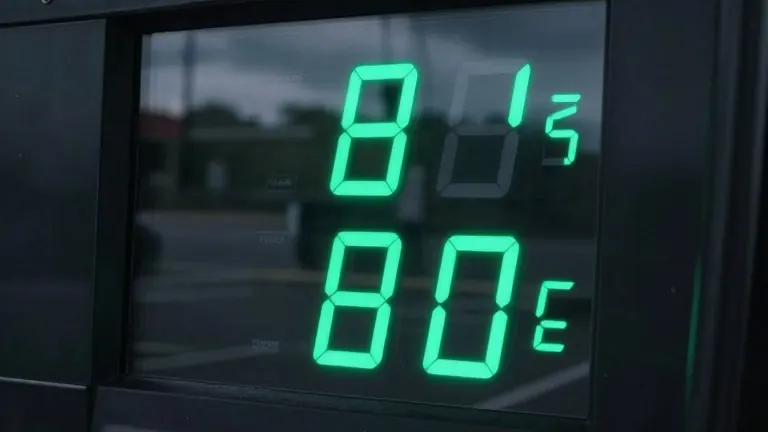
Gasoline prices fell during the election period. The AAA national average dropped from $4.41 per gallon on October 1 to $4.18 by the end of the month. Prices continued to decline in November, reaching $4 on Monday. Citigroup economists noted that this decline should help stabilize airfares and limit the pass-through of energy costs into goods prices.
However, the relief may be temporary. Diane Swonk, chief economist at KPMG, stated that restocking inventories will create a price floor once the Middle East conflict subsides. International Energy Agency members released 400 million barrels of crude and related products during the war, and replacing those stocks will support prices.
Other sectors are also heating up. JPMorgan estimated in August that memory costs would rise more than 400% between the end of 2024 and the end of 2026. Tech companies spending hundreds of billions on data centers are passing these equipment costs to consumers. Apple and other consumer tech firms have already raised prices.
The Federal Reserve is expected to hike rates for the second time this year. Market odds for a December increase stood at 85% on Monday. The central bank holds its next meeting on December 8 and 9, followed by the next inflation report on December 10. Bank of America economists described the current data as a cooler start to fall after several months of rising prices.
More Business · Consumer Watch · Report a business · Got a Story?