Arizona adds photo ID check to fight surge in fake LLC registrations
State officials report 180 complaints about fraudulent limited liability companies in May 2026, prompting new verification rules effective July 1.
By Olivia Barnes ·
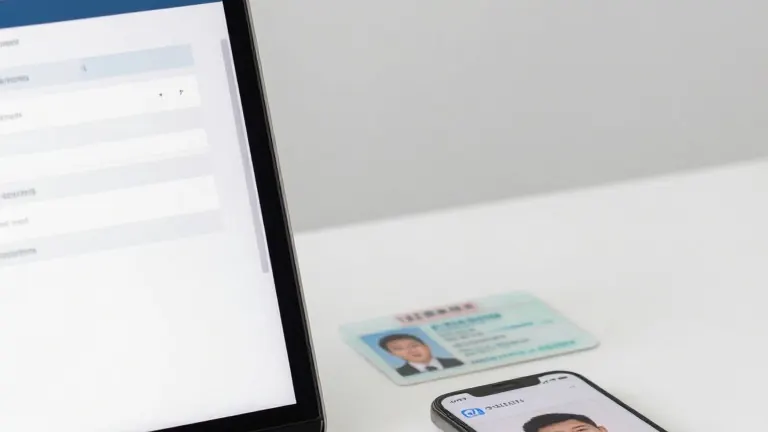
Arizona will require photo identification for online limited liability company filings starting July 1. The change aims to stop fraudsters from creating fake businesses using the names and addresses of unsuspecting residents. The Arizona Corporation Commission currently allows anyone to form an LLC online using only a name and address, a process that requires no verification of identity.
Tanya Gibson, director of the Corporations Division, stated that the agency wants to change the law to validate information and deny fraudulent filings. Under the new system, applicants must upload a photo ID and a selfie. Software will compare this data against multiple databases. If the applicant is verified, they receive a stamp on their account and can file. If not verified, they must visit a physical office to complete the process.
Complaints about fake LLCs spiked in 2025 before a new system launched in early 2026. The division received 208 complaints in September 2025. While numbers dipped after the system update, they rose again to 180 in May 2026. Gibson described the issue as a huge problem for the state.
Fraudsters often use fake LLCs to pass bad checks or open lines of credit they do not intend to repay. Morgan Johnson, a resident who did not own a furniture store or toy wholesaler, discovered three LLCs registered in her name over the past year. She learned of the fraud after receiving mail regarding pending credit accounts she never opened. Johnson said she felt intruded upon by the discovery.
Gibson noted that the state cannot prevent all fraud but is adding hurdles to the process. Once a complaint is filed, it can take months to dissolve the fake entity. During this period, the division marks the company as pending inactive and not in good standing. They also flag the entity as undeliverable to alert banks and credit agencies.
The agency observes clusters of addresses in its data, suggesting fraudsters pull lists of people and addresses at random. Gibson advised residents to check for unauthorized LLCs at their own address. Those who find fake entities should file a complaint with their secretary of state’s office.
More Business · Consumer Watch · Report a business · Got a Story?