Ohio Volunteers Seek Statewide Data Center Ban
A bipartisan group led by a local attorney is pushing for a constitutional amendment to stop large-scale construction across the state.
By Olga Paredes ·
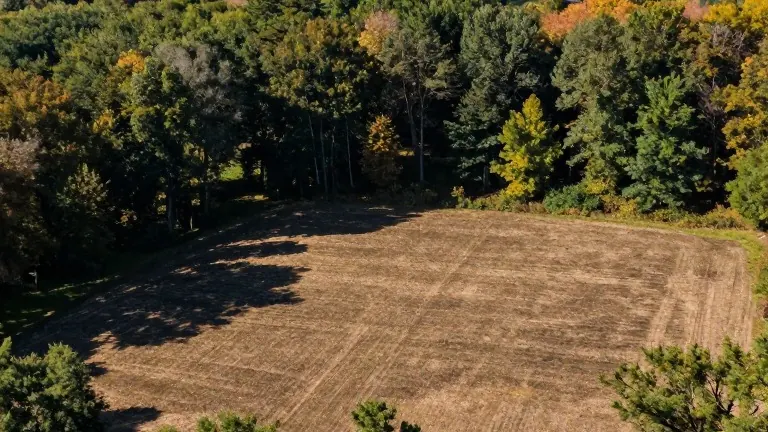
Nick Owens, a self-described small-town attorney and lifelong Republican, has spent the last few years investigating a 1,000-acre parcel in Mt. Orab. Property records indicate that a data center developer purchased the land, which was previously farmland and trees, in 2024 and 2025. The site sits in a rural exurb of Cincinnati where the property line runs directly against two-story homes.
Ovens says the lack of transparency in the sale has driven his involvement. Nondisclosure agreements have blocked his attempts to learn the specific details of the project. He joined forces with another local attorney and a real estate agent to form Conserve Ohio. This network now includes volunteers in nearly all 88 counties in the state. The group includes Democrats, Republicans, and Independents.
This fall, Conserve Ohio is backing ballot initiatives in 10 communities. These measures would amend local charters to prohibit the construction of large-scale data centers used for artificial intelligence. Owens notes that this effort goes beyond the temporary pauses adopted by hundreds of other municipal and county governments.
The group is also preparing a petition for a state constitutional amendment. The goal is to place a statewide ban on large-scale data centers before Ohio voters in 2027. Owens argues that the community should have a direct say in whether these facilities are built in their area.
Data centers have arrived in Ohio over the last decade, drawn by inexpensive land, energy infrastructure, and tax breaks. While these projects bring tax revenue, school funding, and construction jobs, residents often oppose them due to noise and emissions. Owens suggests that if data centers are built, they should be placed on old industrial sites rather than pristine farmland.
The issue has become a major topic in the upcoming midterms. Former Senator Sherrod Brown, a Democrat, has criticized incumbent Republican Senator Jon Husted for welcoming tech companies to the state. Husted has countered by introducing a bill in Congress to make data centers pay for power grid upgrades. Senate Democrats have blocked that bill, calling it toothless.
Linda Moodie, an independent volunteer in Fairfield, is collecting signatures for the statewide ban. She distributed petition clipboards at a recent community event. She does not trust the current candidates to give people a say in the buildout. In Mt. Orab, which voted 80% for President Trump in 2024, Owens observes a noticeable lack of campaign yard signs. He attributes the drop in Republican enthusiasm to the data center fight and high diesel prices.
Source: KNKX Public Radio