Judge blocks DOJ bid to set aside 20,000 California ballots
U.S. District Judge David Carter ruled that the Department of Justice cannot pause processing of votes for individuals it believes are likely noncitizens days before the midterm election.
By Alejandro Brooks ·
With Election Day approaching, federal courts are grappling with a wave of legal challenges to state election procedures.
On Wednesday evening, U.S. District Judge David Carter denied an emergency request from the Department of Justice to stop California from processing ballots for 20,000 individuals. The DOJ argues these voters are likely noncitizens and seeks to segregate their ballots to prevent them from being counted.
Carter, a Clinton appointee, issued a 26-page ruling that rejected the temporary restraining order. He wrote that the federal government has never before tried to force a state to abandon its own constitutional election procedures on the eve of a vote. Carter expressed concern that separating ballots so close to the election would create chaos and potentially disenfranchise eligible voters.
"Once a vote is segregated, lasting harm has occurred," Carter wrote. He added that if the executive branch can discount votes based on unproven allegations, the democracy is in danger. The judge declined to let the court become a party to such a process.
State and local officials have pushed back against the DOJ's list, calling it unreliable. A preliminary analysis by Los Angeles County found that many people on the list do not have active voter registrations. In a motion to the court, California Attorney General Rob Bonta described the litigation as a precursor to further interference. Bonta warned that the court must not be drawn into a chilling degradation of democratic values.
The DOJ filed its lawsuit in California on October 15. This action is part of a wider push by the department in states close to Election Day. Federal prosecutors recently asked Washington state officials to review a list of 400 registered voters they believe are likely noncitizens. In Alaska, the DOJ filed a lawsuit seeking to stop the state from certifying Senate race results if the Republican incumbent loses due to a similar name on the ballot.
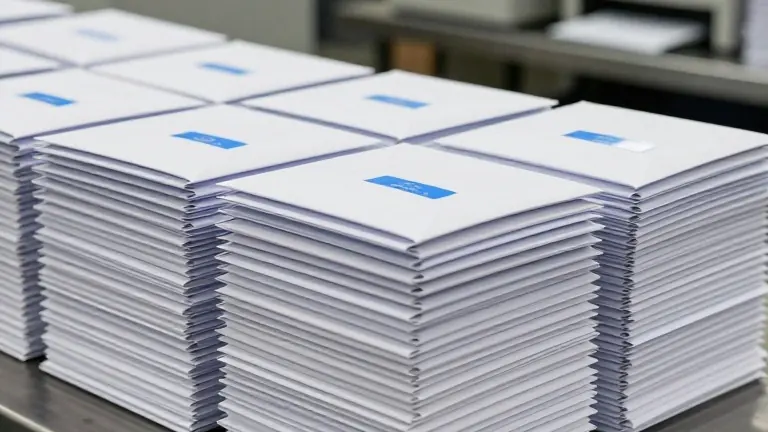
The department argues that the situation is urgent because mail ballots are already being processed. Once signatures on envelopes are verified, ballots are separated to protect voter confidentiality, making it impossible to retrieve specific votes later. Prosecutors claim that votes by noncitizens dilute the power of U.S. citizens, though audits and investigations have shown such voting to be extremely rare.
Disputes over the accuracy of the federal list continue. A University of Delaware political scientist named Kassra Oskooi, an expert witness for voting rights groups, stated in a declaration that the USCIS matching protocol is likely unreliable. In response, USCIS senior official Nicolas Bartell told the court that his office found none of the reviewed individuals were U.S.-born, though he acknowledged four might have a claim to citizenship. The DOJ is expected to appeal Carter's decision, which could eventually reach the U.S. Supreme Court.
Source: KPBS