Glenwood Cottage served as Riverside's first hotel for 27 years
The adobe structure that preceded the Mission Inn operated from 1876 to 1903 under the ownership of the Miller family.
By Olga Paredes ·
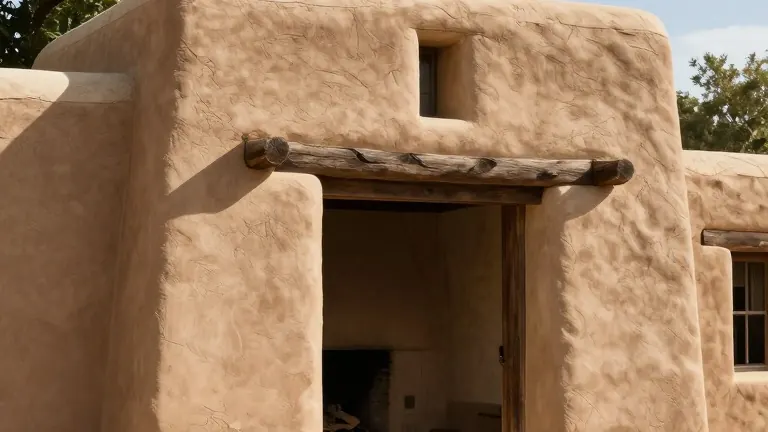
The Glenwood Cottage, the original Miller family home, hosted its first paying guest 150 years ago in November 1876. Albert S. White, a businessman from New York suffering from pneumonia, arrived in Riverside in January 1876 to recover. He returned to the East that summer to close his business affairs and came back on November 22, 1876, to stay with the Millers. White remained a boarder until his death in June 1909. He also served as a business advisor to Frank Miller, the younger son of the hotel owners.
Christopher Columbus Miller established the residence after moving to Riverside in the spring of 1874. As a civil engineer, he mapped early canals before buying the block bounded by Seventh, Main, Sixth, and Orange streets for $250. The family began construction in mid-1875. Frank Miller, then 18 years old, recorded in a diary the labor involved in hauling rock for the foundation. The family moved into the completed home in July 1876, and daughter Emma married C.C. Miller's business partner, Gustavus O. Newman, in the new house shortly after.
Maurice Hodgen's biography of Frank Miller describes the structure's layout. The lower floor consisted of adobe construction with at least three large rooms and an open fireplace. Kitchen and service areas were located at the back, possibly in a detached section. The upper floors were wood-framed and contained about 12 rooms, with dormer windows on the third floor. The family operated the business under various names, including Glenwood Cottage, Glenwood Tavern, and Hotel Glenwood.
C.C. Miller and Newman expanded the property in December 1878 by adding a wooden structure on the north side. This addition included a dining room, kitchen, office, and additional bedrooms. In February 1880, C.C. Miller sold the property and the hotel to his son Frank for $5,000. Frank Miller owned and operated the establishment until his death in June 1935. He used a stagecoach to transport guests from the Southern Pacific Railroad in Colton to the hotel, a route his brother Edward drove for several years.
Miller nearly exited the hotel industry in 1887 when he placed the Hotel Glenwood for sale. He was then involved with a group planning a resort called Hotel Rubidoux. After deciding to remain in the business, he hired contractor Charles T. Rice in 1888 to build a $3,500 addition. This expansion included a ladies' parlor, a larger office, and a doubled dining room. Miller promoted the hotel, the local trolley service, and the orange industry throughout his tenure.
By 1902, Miller sought to build a first-class resort hotel. He competed with local merchant George Reynolds for funding, but Reynolds withdrew. Miller secured financing, with significant support from Henry E. Huntington. Architect Arthur Benton began work in June 1902. The Glenwood Cottage served its final meal in its dining room on May 16, 1902. Miller moved two older wooden buildings to the north side of the property to house an electric plant, bakery, boiler room, and employee housing.
The new Glenwood Mission Inn opened in January 1903. The original one-story adobe structure remained on the site, referred to by biographer Zona Gale as a "tea-house." It later became known as the Old Adobe and hosted offices, meetings, and art exhibits. President Theodore Roosevelt visited in 1903 and planted a Parent Navel Orange Tree in front of the structure. Management demolished the Old Adobe in January 1948 to construct a swimming pool, ending the physical presence of the original Miller home.
Source: Raincross Gazette