BP Posts $8.5 Billion Quarter as Fuel Prices Soar
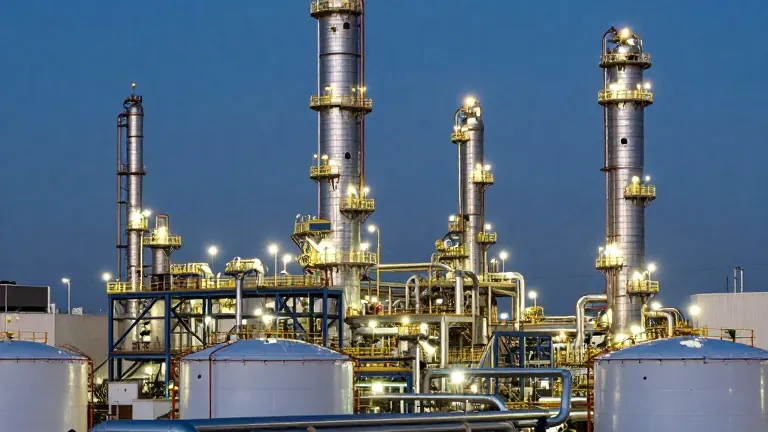
Refining margins at historic highs drove the energy giant's earnings nearly four times higher than the same period last year.
By Olga Paredes ·
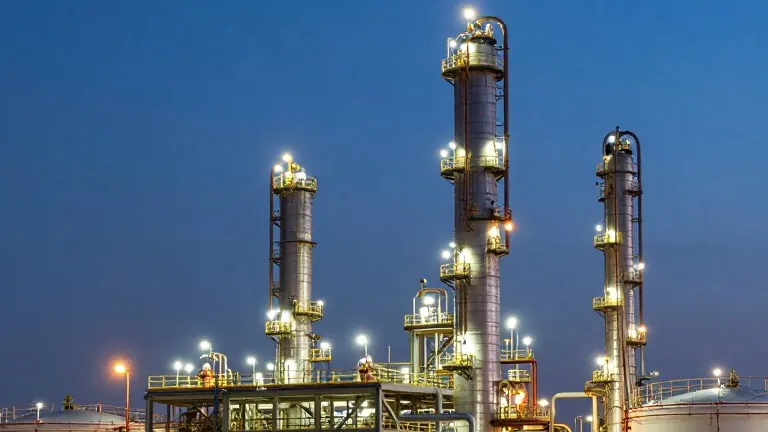
BP reported $8.5 billion in underlying replacement cost profit for the third quarter, a figure that nearly quadrupled the $2.2 billion recorded a year ago. The result exceeded the $6.191 billion forecast by analysts in an LSEG-compiled consensus. For shareholders, the jump reflects a market where refined products are commanding steep premiums over crude oil due to tight global supply.
The profit surge was driven by high realized refining margins and strong performance in gas and marketing trading. BP stated that volatile energy markets and disruptions to trade flows were the primary factors behind the results. Operating cash flow reached $28.55 billion in the first nine months of the year, up from $16.89 billion in the same period of 2025. Net debt decreased to $13.87 billion from $26.05 billion during that timeframe.
Global fuel markets have tightened this year due to outages and damage to refineries resulting from conflicts in Russia-Ukraine and the Middle East. These issues have pushed product prices sharply higher relative to crude. Benchmark crude prices have also been volatile as traders reacted to news from the U.S. and the war between Israel and Iran. Prices remain nearly double their level from a year ago.
BP CEO Meg O'Neill described the quarter's refining indicator margin of $46.7 a barrel as incredibly strong. She noted that the company maintained refining reliability of over 96%, allowing it to adjust runs to meet demand for specific products. O'Neill told CNBC's Squawk Box Europe that the industry has shown remarkable adaptability, with refineries running close to capacity and shipping routes taking longer paths to bridge supply gaps.
O'Neill acknowledged that refining margins are starting to soften as fourth-quarter demand typically drops after the summer travel peak. She emphasized that BP is focused on running facilities safely and reliably to capture current opportunities. The company is also strengthening its balance sheet to reward shareholders through different price cycles.
BP announced a strategy last year to pivot back toward traditional oil and gas operations while reducing its focus on renewables. The company also consolidated its leadership structure. O'Neill stated that BP intends to ringfence extra cash to address the $5.9 billion it still owes the U.S. government and states for Deepwater Horizon settlements. She said the company has embedded lessons from that 2010 disaster to ensure greater financial resilience in future years.
Rivals Shell and TotalEnergies reported on Thursday that their refining margins also hit historically high levels. Analysts continue to question whether high energy prices will eventually drive demand destruction, which would ease pressure on constrained refineries. The premium for refined products over crude remains at decade highs.
Source: CNBC
More Business · Consumer Watch · Report a business · Got a Story?