Ethiopia's 9.2% Growth Rate Faces Threat from Renewed Tigray Fighting
The IMF projects strong economic expansion, but analysts warn that military spending and inflation could erode the gains from the post-war recovery.
By Olivia Barnes ·
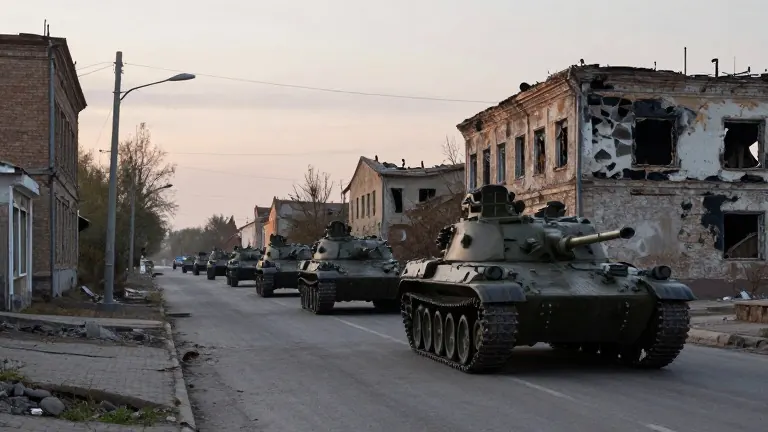
Ethiopian households are watching closely as the country reports its strongest economic expansion in years. The International Monetary Fund forecasts real growth of 9.2% for the 2025 to 2026 fiscal year. This projection suggests a continued rebound following the civil war that ended in late 2022. However, renewed fighting in the northern Tigray region is complicating the picture for families managing daily costs and for businesses planning future investments.
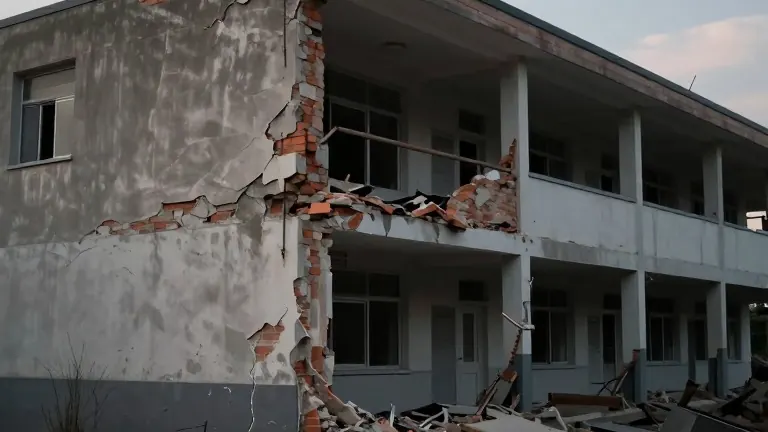
The numbers behind the recovery are substantial. The IMF recorded growth of 7.2% in 2022 to 2023 and 8.1% in 2023 to 2024. The agency projects the same 9.2% rate for the current and next fiscal years. Agriculture, mining, and electricity generation drive this expansion. Yet this aggregate growth coexists with lingering damage. A World Bank assessment values the physical destruction from the 2020 to 2022 conflict at over 22.6 billion dollars. Economic losses totaled about 6 billion dollars, while the estimated cost for reconstruction and recovery stands at 19.7 billion dollars.
London-based financial analyst Abdulmenan Mohammed argues that the war's economic toll extends beyond the physical damage. He points to lost output, high inflation, and foreign currency shortages that plagued the economy during the conflict. In 2022, Ethiopia lost its duty-free access to the US market under the African Growth and Opportunity Act. Mohammed believes these structural issues remain unresolved despite the headline growth figures.
The government faces a difficult financial balancing act. A renewal of hostilities would force an increase in military spending for personnel, equipment, and logistics. This spending would divert funds from infrastructure, education, and social services. Mohammed warned that a substantial share of government resources would be tied up in the military, reducing the money available for development projects. If the conflict drags on, businesses may delay investments, and international lenders might become more cautious with their funding.
Inflation remains a pressing concern for ordinary Ethiopians. The IMF predicts an average inflation rate of 11.7% for the 2025 to 2026 period. Mohammed expects further escalation to push prices higher. To finance additional military spending, the government might increase domestic borrowing. This could make it harder for private businesses to access credit. Furthermore, the military's need for foreign currency to buy imported equipment could squeeze the reserves available for private imports, putting pressure on the birr exchange rate.
Agriculture and tourism are the most vulnerable sectors to the renewed instability. Mohammed noted that much of the fighting occurs in rural areas where farmers work. Insecurity and disrupted transport routes threaten production, while poor rainfall prospects already weigh on harvests. Failed crops reduce farmer incomes and can drive food prices even higher. The tourism sector is also sensitive to security risks, as travel advisories and reports of fighting can deter visitors and lower revenues for hotels and tour operators.
Investors are monitoring the situation, but no major withdrawals have occurred yet. Mohammed sees no concrete evidence that companies are moving investments to neighboring countries like Kenya. He notes that factors such as tax administration and governance also influence location decisions. The extent of the economic impact will depend on the scale and duration of the conflict, export earnings, and international market developments.
Source: Deutsche Welle