Diesel Costs and Debt: Small Trucking Firms Face Record Bankruptcy Wave
221 small carriers filed for protection this year as fuel prices, insurance, and loan terms squeeze margins.
By Alejandro Brooks ·
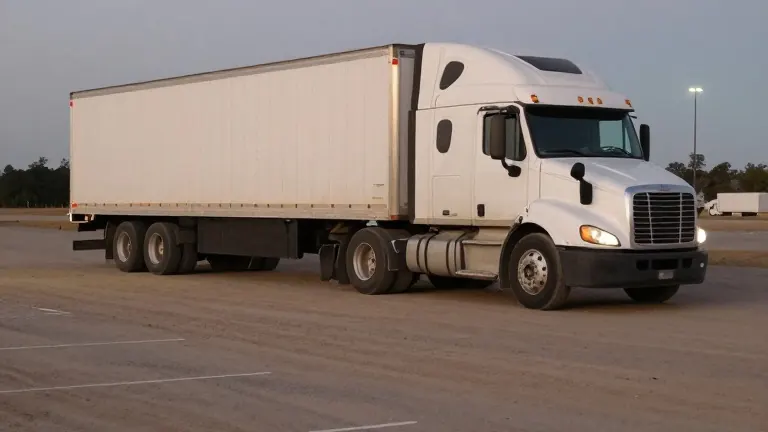
Justin Stoneman’s 12 tractor trailers once hauled grain and fertilizer across Michigan for more than $3 million a year.
Now his company is shutting down.
Stoneman Trucking LLC filed for bankruptcy protection in May and is moving to Chapter 7 to liquidate its assets. He blames a combination of war-driven diesel spikes, rising insurance premiums, and heavy debt.
“I’m so frustrated,” Stoneman said. “It’s like, what about all this ‘Drill, baby, drill’?”
Stoneman is one of 221 trucking companies that have filed for bankruptcy this year, according to data compiled by Bloomberg. The figure continues a three-year surge in filings at levels not seen in decades.
The pressure falls hardest on operators with 20 or fewer tractors. A survey by Truckstop and Bloomberg Intelligence found that about two-thirds of these small carriers report flat or declining revenue compared to last year. Nearly 40% expect to exit the industry within six months or are uncertain of their status.
Chip Lane, managing partner at Lane Law Firm in Texas, said he sees three or four trucking firms a week asking about restructuring. He calls it a “massive uptick.”
The crisis stems from the industry’s expansion during the pandemic. Low interest rates and high demand encouraged many drivers to start their own businesses using heavy debt. As demand fell, rates dropped, and a freight recession began. Survivors now face what Lane calls a “triple whammy” of higher fuel prices, rising interest rates, and burdensome credit terms.
Large carriers like J.B. Hunt Transport Services can absorb these costs better than mom-and-pop firms. J.B. Hunt said this month it is raising prices to offset compressed margins, a move not always available to smaller competitors.
Small truckers often rely on variable-rate loans and merchant cash advances to buy equipment. These instruments become more expensive as interest rates rise. Stoneman took two cash advances totaling about $125,000 in 2023. He said bankers offered him complicated loans he could not afford, and a normal line of credit might have saved his business.
Fraud and insurance costs add to the strain. Freight fraud costs the industry an estimated $18 million per day, according to the Highway’s Freight Fraud Index. Stoneman decided to liquidate after an insurer quoted him $155,000 to cover two trucks and three trailers following an accident involving one of his drivers.
Labor shortages also play a role. Regulators have tightened English-language proficiency rules, and some drivers cite immigration enforcement efforts as a reason to leave the field. This reduces the available driver pool, further straining capacity for small firms trying to stay open.
Source: Orange County Register
More Business · Consumer Watch · Report a business · Got a Story?