Democratic gains constrain Trump's options in Iran conflict
New congressional control allows Democrats to pressure the administration on defense funding and appointments, altering the strategic timeline for US-Iran negotiations.
By Olivia Barnes ·
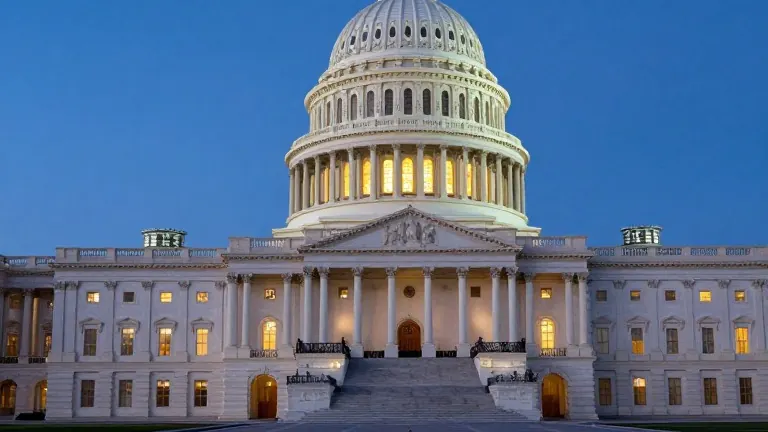
The United States Democratic Party now holds the leverage to stall President Donald Trump's military strategy against Iran. Following Tuesday's midterm election results, Democrats can utilize their new congressional power to limit the administration's immediate options.
The shift occurs after Israel and the United States launched major strikes against Iran in June 2025 and early 2026. The Trump administration also implemented a counter-blockade against Tehran in recent months. Despite these actions, the election outcome provides the Iranian regime with a new strategic advantage: time.
Democrats in the new Congress can pressure the White House through investigations, appointment holds, and defense budget freezes. These tools aim to force the administration to withdraw from the conflict with Iran. This is a confrontation the president can delay but faces difficulty winning due to growing domestic opposition.
Voters in traditionally Republican states, including Texas and South Carolina, signaled strong dissatisfaction with the war. The primary driver of this discontent is the impact of the conflict on gasoline prices. This voter sentiment now aligns with the legislative powers of the incoming Democratic majority.
The Iranian leadership has calculated that patience is more valuable than immediate economic concessions. The regime has chosen to retain the remnants of its nuclear program rather than accept long-term limitations. Iran has not been able to enrich new uranium since June 2025. It may be more than a year before the country can resume enrichment, even if US pressure lifts.
Analysts note that the regime prioritizes its nuclear assets over short-term economic gains. The leadership has accepted that its people endure high inflation and a weakening rial currency. The regime also suppressed internal protests in 2026, killing over 10,000 people, to maintain its iron rule. This approach reflects a strategic timeline measured in years and decades rather than weeks.
The new political reality may push back the progress of Iran's nuclear and ballistic missile programs. It could also reduce the overall military power of the Iranian state. Alternatively, President Trump may seek a weaker agreement with Iran to avoid a protracted conflict before leaving office. The incoming Democratic leadership will likely oppose any deal that appears to concede too much ground.
Israel must now prepare for a divergence in policy between Washington and Jerusalem. The United States and Israel are likely to take different approaches to the Islamic Republic in the coming period. Israeli officials should focus on securing the best possible terms for the nuclear issue. This topic remains a priority for both President Trump and the new Democratic leadership, whereas ballistic missiles receive less attention from American politicians.
Israel should clearly communicate its redlines to both the current administration and the incoming congressional majority. This clarity will mitigate damage to US relations if Iran violates those limits in the future. The Jewish state could also negotiate a secret timeline with Washington, granting a period of months or years to reach a follow-up deal before Israel acts unilaterally. This approach aims to reduce opposition to a potential future military strike.
Source: The Jerusalem Post