30 Seconds of Cold Air Can Stop Frizz at Home
Stylists advise using a brief blast of cold air to seal the hair cuticle, followed by a small amount of oil to lock in the style.
By Olga Paredes ·
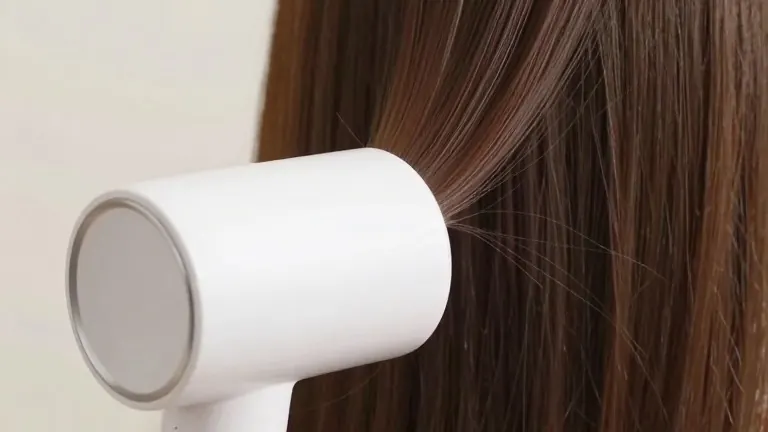
A thirty-second blast of cold air from a hair dryer may be the most effective step for reducing frizz and improving shine.
Stylists explain that heat expands the hair cuticle, the outer layer of the strand. When hair cools slowly at room temperature, ambient moisture enters this open cuticle, causing the hair to swell and frizz. Applying cold air creates a thermal shock that closes the cuticle quickly. This action blocks external humidity and holds the desired shape in place for longer. A smooth, flat cuticle also reflects light more evenly, creating an immediate shine that hot air tends to dull.
Professionals recommend this cold air step as a simple alternative to expensive product lines. The technique involves applying a brief rush of cold air immediately after finishing the blow-dry process. This step is described as a fundamental part of a salon-quality finish that can be replicated at home without special equipment.
Stylists caution that the cold air alone is not sufficient to finish the look. They describe the cold air as a switch that requires a lock. The recommended next step is applying a finishing product, such as oil. For fine hair, stylists advise using a minimal amount. Users should warm the oil between their palms before application. The product should be smoothed gently onto the ends and specific areas where frizz is most visible. Avoiding certain habits also helps maintain the result. Stylists suggest not drying hair upside down if control is the goal. They also advise against using boiling water or pulling at tangles while the hair is dry.
The advice aims to help readers achieve a smoother, more polished appearance without professional appointments. The focus remains on a specific, timed action and a careful application of product. Stylists present this method as a reliable way to manage static and loose hairs. The process relies on basic physics and standard styling tools. No new products are required, only a change in the final stage of the drying routine. The goal is a finished look that lasts through the day.
Source: XHJK-TDT