Tesla delays robot handoffs as mechanical flaws persist
The automator pushes external Optimus deliveries to late 2027, citing unresolved issues with dexterity and durability that mirror challenges facing rival manufacturers.
By Valentina Cruz ·
Tesla’s roadmap for its humanoid robot division has shifted again, with the company now targeting late 2027 for its first external customer deliveries. This timeline extends the wait by roughly a year, a delay driven by persistent mechanical and software hurdles that have plagued the Optimus program since its inception.
During the Q3 2026 earnings call, Elon Musk outlined the specific bottlenecks preventing earlier rollout. He identified the robot’s AI architecture, electromechanical design, and long-term reliability as the primary areas requiring development. The company expects to resolve these issues by the end of next year, at which point it plans to begin shipping units to outside enterprises.
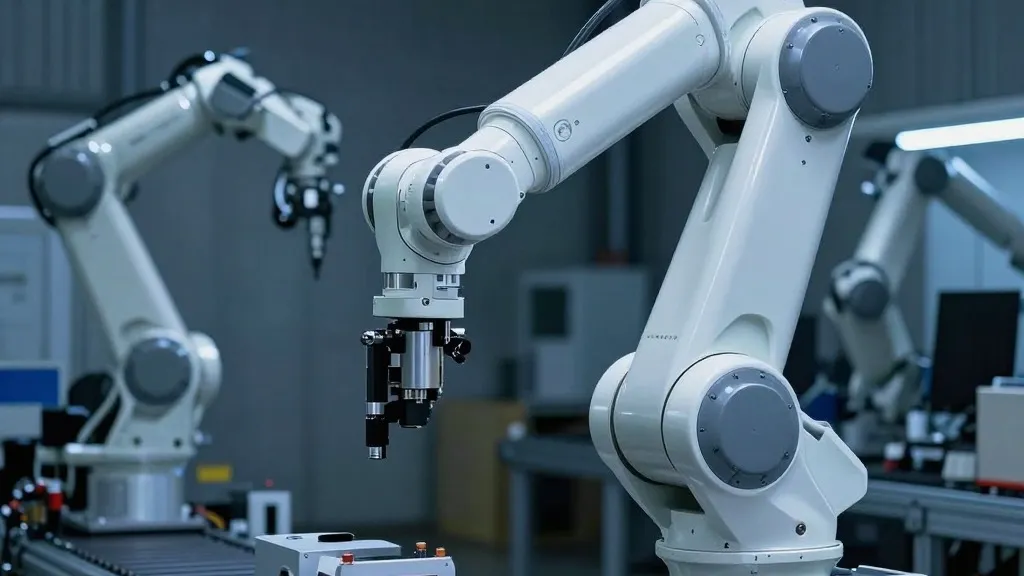
The production infrastructure is already in place at the Fremont factory, where the Model S and Model X lines were previously located. Tesla has installed the majority of an assembly line designed to handle one million robots annually, a capacity equating to approximately 20,000 units per week. However, Musk noted that reaching this throughput rate will take at least a year, possibly longer, due to ongoing design changes in critical components.
The most significant hardware challenge remains the robot’s hand. Tesla engineers described the hand as one of the most difficult areas to finalize, alongside custom gears that continue to raise reliability concerns. Musk explained that the fingers must be soft enough to manipulate delicate objects yet durable enough to withstand constant industrial wear, a balance that is difficult to achieve given that robots cannot heal like human skin.
On the software side, Tesla lacks the massive data collection fleet that its autonomous vehicle division enjoys. To address this, the company plans to manufacture between 10,000 and 20,000 robots for an internal "Optimus Academy" where they will practice various tasks. Additionally, Tesla intends to integrate its AI5 chip into the robots by April 2027. Musk promised a demonstration video within the next two months showing the robot performing unscripted tasks, arguing that many current industry demos rely on pre-programmed routines that fail in real-world conditions.
This latest update follows a series of internal reports indicating that previous units were not yet production-quality. Last month, reports noted that the hand and forearm contained over 100 small parts assembled by hand, with touch sensors facing reliability issues. The company’s Q3 shareholder letter now describes the bots coming off the Fremont line as the first production-quality units manufactured, implying that earlier versions were merely prototypes.
Competitors are making similar strides, challenging Tesla’s claim that no one else is close to matching its progress. XPeng activated an automated production line for its IRON robot in Guangzhou in September, with over 80% of core processes automated. XPeng aims for mass production by the end of 2026 and deliveries in the first half of 2027, a schedule that parallels Tesla’s new target.
Meanwhile, Boston Dynamics began producing its electric Atlas robot in January and has already committed all of its 2026 deployments, including to Google DeepMind. The company recently opened a training center at Hyundai’s Metaplant in Georgia, where Atlas is learning to sequence car parts. This pragmatic approach prioritizes sturdy grippers for industrial parts over human-like dexterity, offering a different solution to the hand problem that is holding Tesla back.
The stakes for Tesla are high as it seeks to establish dominance in the general-purpose humanoid market. While the company may have built the most robots, the ability to make them useful and reliable remains the critical hurdle. Investors are watching closely to see if the late-2027 delivery target holds, particularly after previous timelines slipped repeatedly.
Ultimately, the industry faces the same fundamental challenges: creating hands that survive real work, ensuring robots are reliable enough to justify their cost, and developing AI that can generalize to new tasks. Whether Tesla’s upcoming video demonstrates true autonomy or another scripted routine will be the next key indicator for the market.
Source: Electrek