COP31 Opens in Turkey With U.S. Absent and Fossil Fuel Treaty in Focus
Negotiators aim to raise global electrification rates to 35% by 2035 while a new international treaty seeks to phase out oil, gas, and coal.
By Olivia Barnes ·
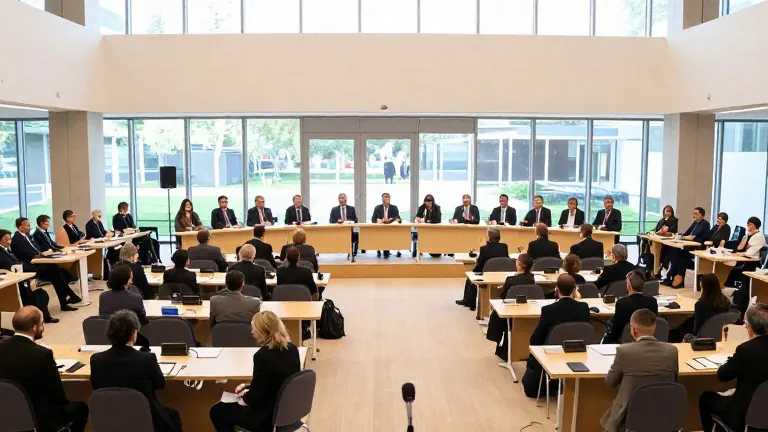
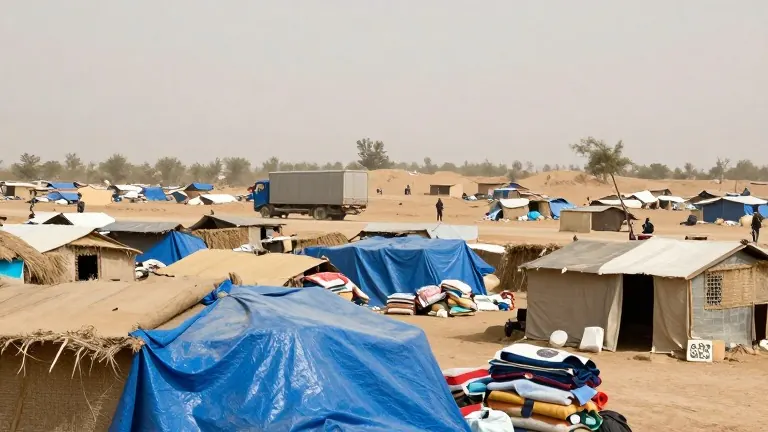
United Nations climate leaders gathered in Antalya, Turkey, on Sunday to begin two weeks of negotiations at the 31st Conference of the Parties, known as COP31. The meeting arrives during a period of heightened tension between the United States, Israel, and Iran. This conflict has entered its ninth month and has triggered a global energy crisis. The closure of the Strait of Hormuz and the resulting spike in oil and natural gas prices have exposed the vulnerabilities of a world dependent on fossil fuels.
Kingsmill Bond, an analyst at the energy think tank Ember, noted that this crisis differs from previous shocks in the 1970s and 2022. He explained that this is the first global energy shock where inexpensive solutions exist to address the problem. These solutions include solar panels, batteries, and electric vehicles. Many countries have shifted toward these technologies in recent months. Much of this equipment is manufactured in China, which provides economic security and lower emissions.
Bond stated that the economic advantages of these technologies make it easier for nations to support them at the conference. He said there is more opportunity for people to back change at COP31. The central goal of the conference is to increase the global electrification rate from approximately 23% to 35% by 2035. This target assumes that countries will expand their use of clean renewable energy sources. Li Shuo, director of the China Climate Hub at the Asia Society Policy Institute, said that adding green energy to the mix helps decarbonize the economy faster. Financial services firm Lazard reports that large solar and wind projects now provide more cost-competitive energy than new natural gas and coal projects.
A major point of contention at this year’s talks is the phase-out of fossil fuels. Many countries argue that the U.N. process has not done enough to address the primary driver of climate change. Producers such as Saudi Arabia and Russia have historically opposed including specific language about fossil fuels in final agreements. In April, more than 50 countries met at the First International Conference to Transition Away from Fossil Fuels. More than 25 of those nations are currently developing a legally binding treaty to advance the phase-out of oil, gas, and coal. Supporters of this initiative hope to attract additional signatories at COP31.
The United States is not sending a delegation to the conference. The State Department confirmed in an email that no U.S. officials will attend, mirroring the administration’s absence at last year’s meeting in Brazil. The current administration has reversed several climate actions, including phasing out subsidies for electric vehicles and renewable energy projects. It has also reduced regulations on greenhouse gases. Vanuatu’s minister of climate change, Ralph Regenvanu, previously told reporters that the U.S. absence was beneficial because it meant fewer resistant parties in the room.
Despite the lack of official government representation, several U.S. lawmakers will be present. Senator Sheldon Whitehouse, a Democrat from Rhode Island, is attending the talks. He and other lawmakers intend to focus on fossil fuel reduction and a potential carbon pricing mechanism. Whitehouse stated that the fossil fuel industry cannot remain free to pollute if the world wants a pathway to climate safety.
The next two weeks will feature intensive negotiations among country leaders. The outcome will determine whether the 35% electrification target becomes a formal international goal. It will also reveal if the fossil fuel treaty gains the critical mass needed to become legally binding. Delegates will work through the weekend and into next week to draft the final agreement.