42% of phone providers still skip caller ID verification
A new analysis by U.S. PIRG Education Fund reveals that nearly half of registered phone carriers have not fully implemented technology to verify displayed numbers, despite federal spoofing rules taking effect five years ago.
By Olga Paredes ·
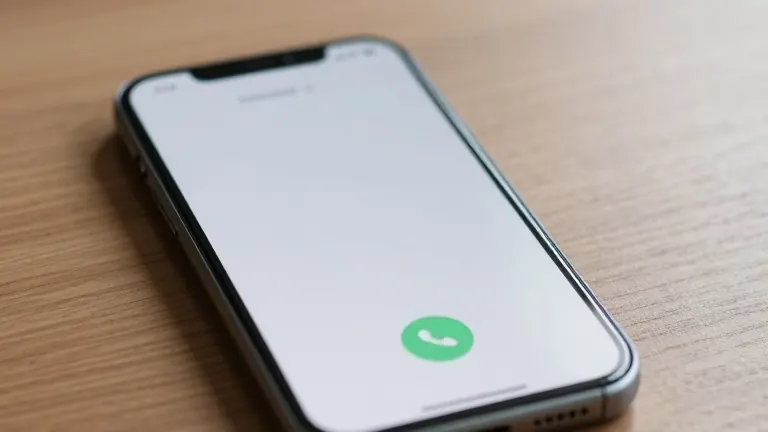
Forty-two percent of registered phone providers have fully implemented technology to verify caller ID, according to a new report from U.S. PIRG Education Fund. The organization analyzed Federal Communications Commission records from more than 11,000 providers to reach that figure.
The findings come five years after federal requirements aimed at curbing spoofed robocalls began taking effect. Despite that timeline, unwanted calls continue to reach consumers at high volumes. Teresa Murray, a consumer watchdog with U.S. PIRG, stated that the issue persists. "I still get them. I'm sure you still get them. And in many ways, it's as bad as ever," Murray said.
The report, titled "Ringing in Our Fears," notes some progress in reducing call volume. Unwanted robocalls have decreased to an average of approximately 2.1 billion per month this year. That figure is down from nearly 2.5 billion per month last year.
Scammers are using a tactic called number cycling to evade spam filters. They purchase or rent large blocks of phone numbers and use each one sparingly. This low frequency prevents the numbers from being flagged as suspicious. Once the block is exhausted, they restart the cycle with a new set of numbers.
Regulators are shifting their focus toward the entities that supply these numbers. Murray explained that authorities are targeting companies that sell or lease phone numbers to scammers. They are also pressing phone companies that fail to filter calls effectively. "So now, what a lot of the regulators are focusing on, is trying to go after the companies that sell and lease phone numbers to bad guys. So they're going to keep on going trying to go after the phone companies who aren't doing a good job of filtering calls. And they're going to continue going after guys who are scamming people," Murray said.
The FCC is considering stricter know-your-customer rules. These regulations would require phone companies to vet customers more closely before providing them with phone numbers. State attorneys general are also pushing for increased oversight of companies that buy and resell phone numbers. This measure aims to help law enforcement trace illegal robocalls back to their sources.
Murray advises consumers to let unrecognized calls go to voicemail. She recommends never providing personal or payment information to unexpected callers, regardless of the number displayed on caller ID.