Whatcom jail budget leaves care funding short
The county approved a $205 million jail and a $20 million behavioral center, falling short of the even split promised to voters in 2023.
By Olivia Barnes ·
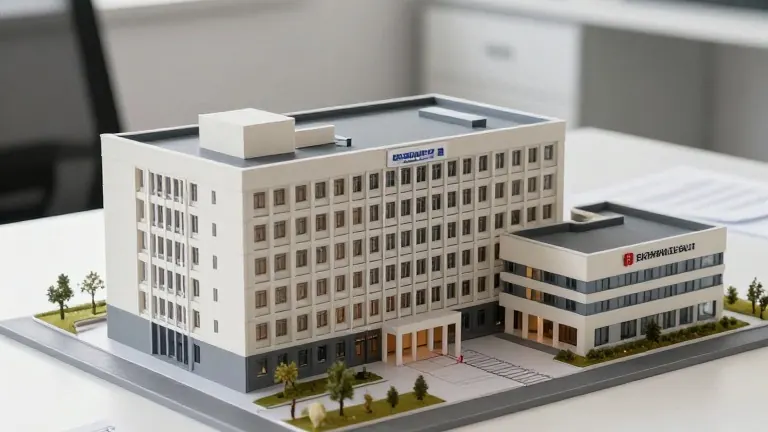
The Whatcom Justice Project has entered the design phase with a budget allocation that deviates from the 50-50 split between incarceration and health services promised in a 2023 ballot measure. The county council approved the project in August, setting a $205 million cap for jail construction and a separate $20 million budget for a behavioral care center on Division Street.
Voters in 2023 passed a sales and use tax specifically to build justice facilities and address the root causes of incarceration. Riley Sweeney, a Whatcom County Policy and Communications Specialist, stated that the tax generates approximately $14 million annually. This revenue stream provides the county with about $225 million in total funds, allowing them to determine how to distribute the money between the two facilities.
Heather Flaherty, executive director of the Chuckanut Health Foundation and co-chair of the Incarceration Prevention and Reduction Task Force, expressed concern over the current disparity. She noted that the high construction estimates for the jail made it difficult to maintain the intended balance. Flaherty is working to present pathways to achieve the 50-50 mark and improve efficiencies. Her task force expects to deliver a report with findings and recommendations by the end of November.
The approved design includes 440 to 460 beds, a reduction from the 650 beds initially proposed by Sheriff Donnell Tanksley in a January memo. Tanksley described the current jail as outdated and overcrowded, lacking sufficient rehabilitation and education programming. Sweeney indicated that the final bed count will be determined during the blueprint process based on layout and arrangement.
RMC Architects, Ram Construction, and Clark Construction are collaborating on the project. Sweeney said this integrated approach should save the county money by shortening the construction timeline and reducing changes. He estimated that shaving months off a $205 million project saves millions of dollars. Blueprints are expected by early next year.
Officials are still deciding whether to replace the proposed large courtroom with two smaller ones. Sweeney reported that the design and construction teams were optimistic about the idea in mid-September, but the final decision remains pending. The rapid reentry center has also been discussed due to budget and space constraints.
The team decided not to include the rapid reentry center in the current construction. Sweeney said this allows the center to be built on a different timeline and potentially expanded later, which saves money. The county is currently in contact with state legislators to seek funding for this part of the project. Officials expect to know if state funding will be part of the plan early next year.
Sweeney said the work toward balance continues at the county level. He described the goal not as a one-time achievement but as a process of reaching the 50-50 split. He noted that while the county is not at a perfect balance on day one, the objective is to get there over time.
Source: Salish Current