Google Apologizes for Forest Clearing in Finland as Wolves Move Into Nearby Villages
The tech giant faces regulatory orders to halt construction after unauthorized land clearing displaced local wildlife and drew criticism from residents.
By Olivia Barnes ·
The rapid expansion of artificial intelligence infrastructure has increasingly strained relationships between global technology firms and the natural landscapes they occupy, particularly in regions with strict environmental protections. This tension has reached a visible peak in eastern Finland, where recent reports indicate that wild canines are entering residential areas after losing their primary habitat to industrial construction.
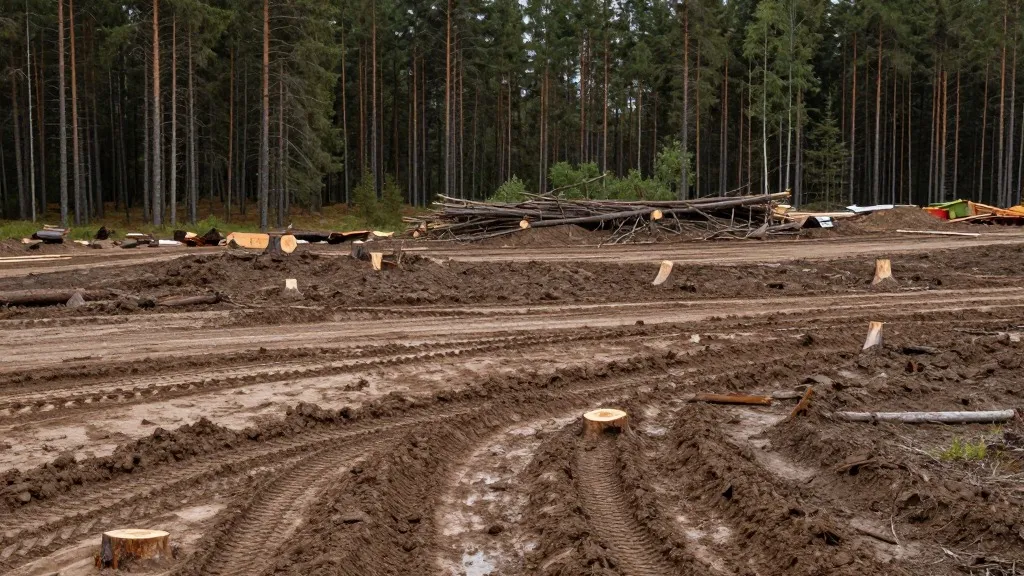
The situation centers on two specific sites located in the Kajaani region, near the villages of Muhos and Otanmäki. Google, which is developing large-scale data centers in these areas, has issued a formal apology through its country manager for clearing forest land without full regulatory authorization. The company acknowledged that approximately 816 acres of woodland near Muhos have been transformed into a muddy expanse due to the construction activities. In a separate location, roughly 55 miles to the southeast of Otanmäki, regulators have ordered the cessation of work on another roughly 500 acres of cleared forest.
The immediate consequence of this land alteration is a shift in local wildlife patterns. Residents report that wolves, which previously inhabited the dense forests, are now roaming into neighboring villages in search of food and territory. Anni Ranta, a 53-year-old resident of Otanmäki whose family has lived in the area for several generations, stated that the displacement of wild animals from the forest has led to their presence in the community. She noted, “We had wolves coming into the village because all the wild animals moved out of the forest.”
Local sentiment toward the project has become increasingly mixed, moving beyond traditional environmental concerns to include questions of personal safety. While the Finnish Association for Nature Conservation (SLL) described Google’s handling of environmental policy as unprecedented, other residents have voiced complaints about construction noise, the discoloration of local streams, and the displacement of rare bird species. For some families, the entry of large predators into the countryside represents a significant safety concern, adding a new layer of urgency to the dispute.
Regulatory bodies have intervened to address the discrepancies between the project’s execution and local laws. The Finnish Licensing and Supervision Authority (LVV) issued an order for Google to stop development work at both the Muhos and Otanmäki sites. This follows a notice issued earlier this month by the Finnish government, signaling a stricter oversight regime for the ongoing construction in the Muhos and Kajaani areas.
Despite the regulatory halt, Google’s official stance remains one of cooperation. A spokesperson for the company indicated a willingness to work with local authorities, stating, “We will fully comply with LVV’s requests in this matter.” The representative further expressed hope for an ongoing open dialogue with all relevant agencies, aiming to strengthen the partnership between Google and Finnish local organizations. The company appears to be banking on the long-term economic benefits of the data centers to maintain support from regulators and the government.
Ranta and other locals have also raised geopolitical concerns regarding the project. Ranta expressed a fear that the establishment of U.S.-owned data centers in the region could make Finland a more attractive target for potential Russian aggression. This perspective highlights how infrastructure decisions are increasingly viewed through a lens of national security, in addition to environmental and economic considerations.
The incident serves as a case study in the broader challenges faced by AI data center developers worldwide. Similar complaints regarding environmental impact, noise, and resource usage have been voiced in the United States and other countries. However, the combination of unauthorized clearing, immediate wildlife displacement, and regulatory intervention in Finland has drawn particular attention to the pace and method of Google’s expansion.
As the regulatory order takes effect, the immediate question is how the construction timeline will adjust. Google must now balance its ambitious build-out schedule with the requirements of the LVV and the expectations of local communities. The coming weeks will likely see continued negotiations between the tech giant and Finnish authorities, with the goal of resolving the unauthorized clearing while maintaining the momentum of the data center project.
For the residents of Otanmäki and Muhos, the focus remains on the immediate effects of the construction. The muddy landscapes that replaced the forest are a visible reminder of the industrial activity, while the presence of wolves in village areas serves as a tangible link between the distant goals of AI expansion and the daily realities of local life.
Source: Tom's Hardware · original report published
More Business · Consumer Watch · Report a business · Got a Story?