Yosemite to face 18 inches of snow in weekend storm
The National Weather Service issued an updated warning covering Yosemite and several neighboring parks, citing winds up to 50 mph and hazardous travel conditions.
By Olivia Barnes ·
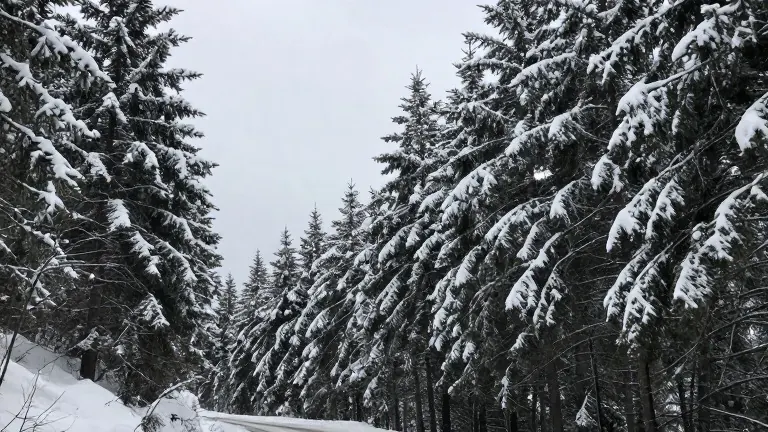
Up to 18 inches of snow will fall across Yosemite National Park and adjacent areas this week, according to an updated warning from the National Weather Service.
The agency issued the alert at 5:30 p.m. on Thursday, November 12, 2026. The warning period begins Friday at 10 a.m. and ends Tuesday, November 17, at 4 a.m.
The NWS Hanford forecast calls for widespread moderate impacts. Winds are expected to gust as high as 50 mph during the storm. The service described travel as potentially very difficult to impossible.
Hazardous conditions will affect the Friday evening and Monday morning commutes. Gusty winds may break tree branches. Roads, bridges, and overpasses will likely become slick.
The warning covers six specific locations. In addition to Yosemite, the alert includes the San Joaquin River Canyon, the Upper San Joaquin River, the Kaiser to Rodgers Ridge area, Kings Canyon National Park, and the Grant Grove area near Sequoia National Park.
For residents in Southern California, emergency alerts for considerable or catastrophic hazards will be sent to all enabled mobile phones in the affected areas. The NWS advises residents to sign up for county alert systems to monitor lesser risks.
The service recommends that persons consider delaying all travel. If a trip is necessary, motorists should use extreme caution. Drivers are advised to keep an extra flashlight, food, and water in their vehicles in case of an emergency.
To check current road conditions, residents can call 5-1-1 for the state they are calling from. The NWS noted that winter weather leads to over 6,000 weather-related vehicle fatalities and over 480,000 injuries each year.
Drivers are told to slow down and assume icy conditions exist on roadways when temperatures are near freezing. Ice can accumulate on power lines and tree branches, creating snapping hazards. The agency advises avoiding routes with many trees and power lines if possible.
If a driver must travel, they should share their destination, route, and estimated arrival time with family or friends. Vehicles should be equipped with a full gas tank, a windshield scraper, jumper cables, a small shovel, a flashlight, a cell phone, a blanket, extra warm clothing, drinking water, and high-calorie food.