Oregon Democrats won more votes but lost registered party members
Tina Kotek expanded her margin over Christine Drazan by 122,327 votes, even as Democratic registration fell by nearly 19,000 voters.
By Alejandro Brooks ·
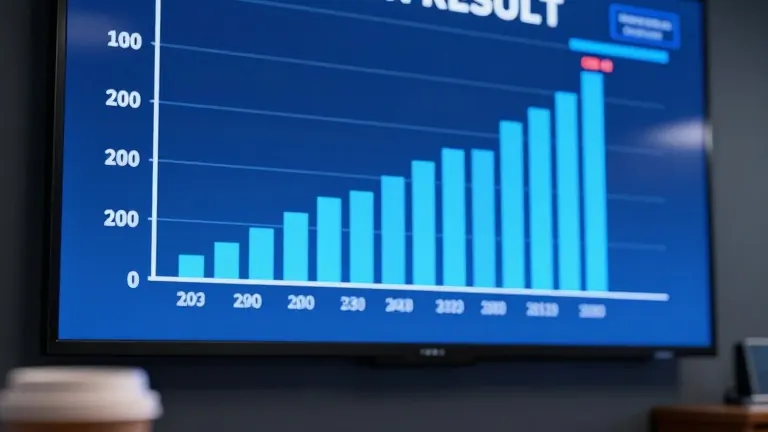
Tina Kotek won the 2026 Oregon gubernatorial race by 189,054 votes, a margin that nearly tripled her 2022 advantage over Christine Drazan. Despite this expanded victory, the Democratic Party registered a net loss in voter affiliation across the state.
The 2022 race ended with a gap of 3.5%, or 66,727 votes, between Kotek and Drazan. This year, that separation widened to 189,054 votes. National trends favored Democrats, with the average U.S. Senate vote shifting 15.2 points toward the party compared to the 2024 presidential election. Oregon’s Senate result was more modest, with Jeff Merkley running only five points ahead of the 2024 presidential mark. Merkley’s winning percentage remained nearly identical to his results in the two previous elections.
Voter registration data reveals a divergence between electoral success and party loyalty. As of November 2026, 3,112,307 Oregonians were registered to vote, up from 3,003,625 in 2022. While total registration increased, Democratic affiliation declined by 19,261 voters to 1,002,494. This drop occurred in every county except Deschutes, Hood River, Marion, and Washington. The largest declines appeared in rural counties such as Grant, Sherman, Wheeler, and Lake, with Multnomah County also seeing a slight decrease.
The Republican Party added 2,549 registered voters, reaching 740,084. Gains were recorded in 27 counties, including Democratic-leaning areas, though Multnomah County suffered the largest single drop in Republican registration. These registration shifts suggested potential optimism for the 2026 gubernatorial contest, yet the final vote share moved sharply in Kotek’s favor.
One factor in the expanded margin was the absence of Betsy Johnson, who ran as a nonaffiliated candidate in 2022 and took 8.6% of the vote. Comparing county-level data shows that both Kotek and Drazan picked up votes in areas that previously supported Johnson. In Clatsop County, Kotek’s raw vote rose by 27.3% while Drazan’s grew by 25.2%. Kotek appeared to capture a larger share of former Johnson supporters, contributing to the widened gap in many counties.
The data suggests a behavioral difference between the parties. Republicans are more likely to register with their party and vote for its candidates than Democrats are. Many Oregon Democrats appear willing to support Democratic candidates without taking full party registration. A substantial portion of actual Democratic voters are found among nonaffiliated registrants and members of the Independent Party of Oregon, which has historically supported Democratic candidates.
Jeff Merkley remains one of several Democratic incumbents who posted modest improvements tied to their progressive records. The 2026 results indicate that while Democratic candidates won more votes, the party’s structural base in registration contracted slightly. Republicans gained small registration ground but lost the top statewide race by a wider margin than four years prior.
More Business · Consumer Watch · Report a business · Got a Story?