More than 100 advocates meet in Lynnwood over new benefit rules
Washington projects 200,000 Medicaid losses by 2027 as work requirements and income floors take effect.
By Olivia Barnes ·
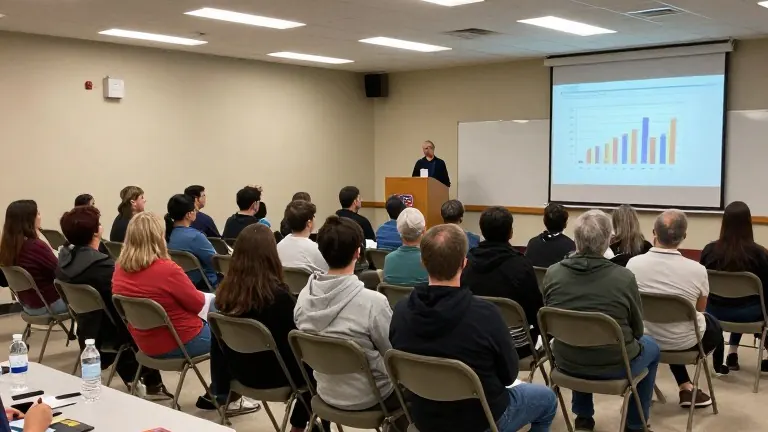
More than 100 people representing community organizations packed the Lynnwood Event Center on Tuesday. They gathered to review specific cuts to Medicaid and the Supplemental Nutrition Assistance Program, known as SNAP. The Verdant Health Commission hosted the meeting for groups that collectively serve tens of thousands of residents in Snohomish County.
The legislative changes stem from a spending bill passed by Congress in July 2025. While some restrictions have already impacted beneficiaries, additional work requirements will activate on January 1. For adults on Washington state Apple Health, the new rules set a monthly income floor of at least $580. Alternatively, enrollees must complete at least 80 hours of work or community service per month, or enroll in an educational program on a half-time basis.
Giselle Zapata-Garcia, equity and community engagement manager for Public Health Seattle and King County, explained the rollout timeline. Clients will self-attest to work requirement exemptions in 2027. By 2028, the state will use available data sources to verify those claims. If verification fails, the state will request additional documentation from the client. Most individuals will need to renew their Medicaid eligibility every six months.
The Washington State Health Care Authority projects that at least 200,000 people will lose coverage by the end of 2027. In October, an estimated 10,000 residents already lost coverage after eligibility changes affected refugees, asylees, and other lawfully present immigrants. Lawfully present immigrants also lost access to advance premium tax credits that previously reduced monthly premiums.
Maricruz Sanchez, assistant director of Help Me Grow Washington, detailed the shifts in SNAP benefits. The work requirement exemption no longer applies to those aged 55 to 64 or those caring for children under 14. Veterans and homeless individuals lost their previous exemptions. Sanchez noted that certain immigrants will transition from federal SNAP to state-funded food assistance without needing to reapply. Benefit amounts are expected to remain unchanged, though some households may see reductions due to changes in Low-Income Home Energy Assistance Program utility bills.
Zapata-Garcia urged attendees to inform clients about alternative coverage options, including Emergency Medical and Pregnancy Medical. Open enrollment for the Washington Healthplanfinder is currently open and runs through January 15. King County will hold an open enrollment event at Connect Casino Road in Everett on November 21.
Housing and utility assistance also featured in the discussion. Missy Wilch, energy assistance program manager at Snohomish County PUD, highlighted the utility’s role in connecting 385,000 local meters. Volunteers of America Western Washington launched its own hotline, 360-VOA-HELP, to maintain local support after the 211 hotline relocated to Seattle. Verdant Superintendent Alison Poulsen stressed that health discussions must include housing to be effective.