Antalya climate talks end without deal
Delegates in Turkey rejected a final draft after it dropped references to fossil fuels, marking the longest impasse in conference history.
By Alejandro Brooks ·
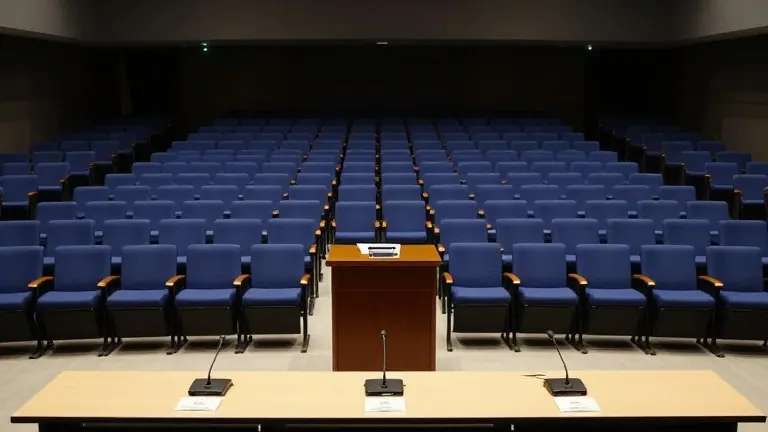
Climate negotiations in Antalya, Turkey, collapsed on Sunday when the European Union and other nations rejected a proposed agreement. The breakdown occurred after delegates from 196 countries and the EU failed to reach consensus on new climate pledges. Murat Kurum, the conference president and Turkey’s environment minister, announced that no new draft would be issued following the rejection of a fourth version of the text.
Kurum stated that the group had exhausted its options in the absence of agreement. "There is nothing to do, we did all that we could," he said. Chris Bowen, the president of the negotiations, described the discussions as containing unbridgeable red lines. He noted that the geopolitical environment was the most complicated in recent memory, turning previously manageable differences into strict barriers.
The disputed document, a 12-page draft released on Sunday, outlined measures to accelerate climate action but omitted any mention of moving away from fossil fuels. This silence on the issue angered the EU and other delegations. Darragh O’Brien, the Irish minister representing the EU, said the bloc strongly objects to the deal, labeling it greenwashing. He argued that the decisions did not match the ambition required to tackle climate change.
Other nations also voiced opposition. Panama, the Marshall Islands, and the United Kingdom rejected the text. Kate Hughes, spokesperson for the UK delegation, called the draft the lowest common denominator. Panama’s environment minister, Juan Carlos Navarro, criticized the group as being held hostage by the petroleum mafia. He joked at a press conference on Wednesday that the world loves the petroleum guys and cannot live without them.
The shift in language occurred between early and late drafts. A first draft circulated on November 16 mentioned fossil fuels six times. A second draft published on Thursday removed all references, sparking anger among many delegates. Countries including Saudi Arabia, Russia, and India pushed back against including the terms, citing financial risks to their economies. The United States, a major emitter, was absent from the conference after President Donald Trump’s administration withdrew from international climate commitments.
The final draft referenced the 2015 Paris Agreement goal of limiting global warming to 1.5 degrees Celsius but acknowledged that this target would be missed. The conference, which began on November 9, officially ended on Friday without an agreement. Delegates continued talking in an attempt to find a resolution, but the fourth draft released on Sunday still lacked fossil fuel language. The talks surpassed the delay recorded at the 2019 conference in Madrid as the longest in history.
Kurum retains the option to convene a follow-up meeting or delay decisions until the next conference hosted by Ethiopia. The last time talks failed to produce an agreement was at COP6 in The Hague, Netherlands, in 2000.